Have you ever thought about cleaning your two-tone watch while keeping the steel and gold surfaces flawless? Two-tone watches combine stainless steel with gold, creating a luxurious, eye-catching look. That mix of metals also makes cleaning delicate. Dirt, oils from your skin, and everyday grime can quickly build up in links, crevices, and around the bezel, dulling the shine and wearing down gold plating if treated incorrectly.
This guide shows exactly how to clean a two-tone watch safely and effectively. You will learn how to identify the metals in your watch, choose the right tools, and use gentle brushing techniques that preserve the sparkle, prevent scratches, and maintain your watch’s value. It equips you with the knowledge to keep your watch looking pristine and performing flawlessly.
Know What Metals Are on Your Two-Tone Watch
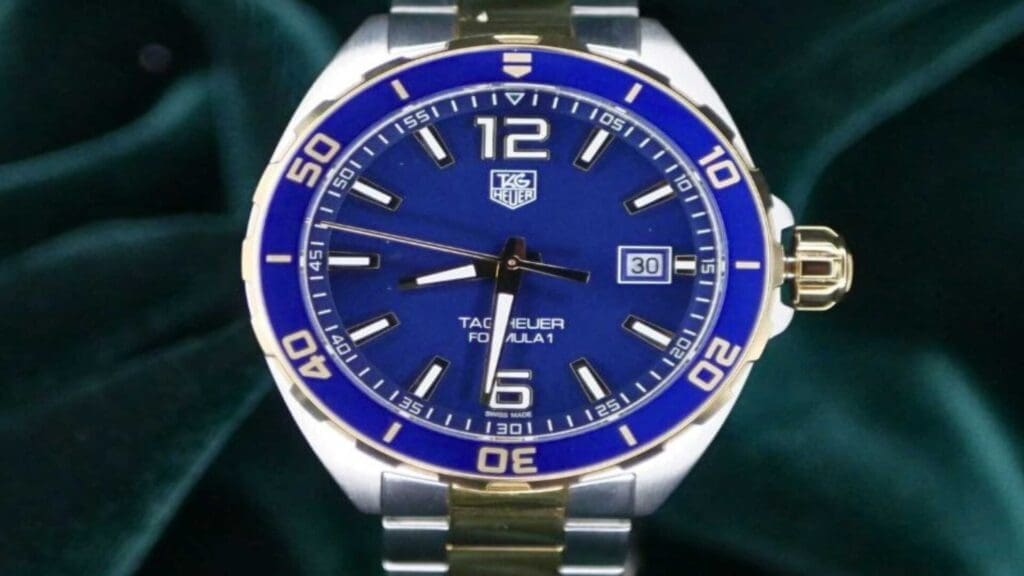
Start by identifying the metals in your two-tone watch to clean it correctly. Watches from brands like Rolex, Omega, and TAG Heuer combine stainless steel with gold in various forms, and each metal reacts differently to cleaning. Knowing the type of metal lets you adjust your cleaning technique and protect every surface.
The table below shows common metals in two-tone watches, how to spot them, and their cleaning risk:
| Metal Type | How to Spot It | Cleaning Risk |
| Stainless Steel (904L, 316L) | Silver-gray, hard, corrosion-resistant | Low risk, can handle mild soap and brushing |
| 18k Yellow or Rose Gold | Warm gold hue, softer, prone to scratches | Medium risk, gentle brushing only |
| White Gold or Platinum | Whiter hue than steel, reflective | Medium risk, avoid harsh cleaners |
| Gold-Plated or PVD-Coated | Shiny but thin layer | High risk, abrasive scrubbing removes coating |
Follow a Quick Post-Wear Wipe Routine
Keeping your two-tone watch clean starts with a simple routine after each wear. Luxury watches collect sweat, oils, and dust in the bracelet and case, which can dull the metals over time. A quick wipe removes surface grime before it builds up and makes deeper cleaning easier.
Use these steps to maintain your watch daily:
1. Wipe the bracelet and case with a soft microfiber cloth immediately after removing the watch.
2. Focus on the links, clasp, and around the bezel where sweat and dirt accumulate.
3. Gently rub both steel and gold surfaces to remove oils without scratching the metals.
4. Avoid using any harsh chemicals or abrasive materials that can damage finishes.
5. Store the watch in a safe, dust-free place if you won’t wear it again soon.
How Do You Clean a Two-Tone Watch Safely

Cleaning a two-tone watch requires precision to protect both the stainless steel and gold surfaces. Brands like Rolex, Omega, and TAG Heuer design their watches with durable cases, but delicate gold accents need careful handling. Follow these step-by-step instructions to clean your watch without risking damage:
1. Secure the crown and remove the bracelet if possible. Ensure the crown is fully screwed down on water-resistant watches to prevent water from entering the movement. Removing the bracelet gives better access to links and crevices.
2. Prepare a cleaning solution. Use lukewarm water with a few drops of mild, pH-neutral soap. Avoid bleach, alcohol, or any harsh detergents that can harm gold or plated finishes.
3. Brush gently. Take a soft-bristled brush and clean the bracelet, focusing on links, crevices, and the clasp area. Work along the grain of the metal to avoid scratches.
4. Rinse thoroughly. Use clean, lukewarm water to remove all soap residue. Ensure water does not pool in non-water-resistant watches.
5. Dry carefully. Pat the watch with a microfiber cloth, removing moisture from links and crevices. Let it air-dry away from direct sunlight to avoid heat damage.
From here, your cleaning technique adjusts depending on the bracelet type and gold finish. The next steps focus on treating stainless steel and gold links separately to maintain their shine and durability.
Clean Stainless Steel Links Without Scratching Them
Stainless steel links are durable but can still accumulate grime that dulls the shine. Cleaning them carefully prevents scratches and preserves the bracelet’s reflective surface.
1. Pre-rinse the links under lukewarm water to remove grit that could scratch the metal.
2. Brush along the grain of the metal, not against it, to protect the finish.
3. Target the clasp and link joints, where dirt and sweat settle most.
4. Dry thoroughly with a soft microfiber cloth and check for trapped water in crevices.
This process keeps stainless steel links polished and minimizes wear from daily use.
Clean Gold Links Without Wearing Them Down
Gold links are softer and more prone to damage than steel, requiring gentle cleaning. Proper care maintains the metal’s luster and prevents premature wear.
1. Avoid soaking; limit cleaning to the surface to protect plating or solid gold.
2. Use a soft-bristled brush with mild soap for light scrubbing of joints and crevices.
3. Buff lightly with a microfiber cloth to restore shine without abrasive polishing.
4. Inspect for scratches and avoid any polishing compounds unless approved by the manufacturer.
Clean Two-Tone Cases Without Damaging Bezels or Crowns
The case collects dirt in hard-to-reach spots around the bezel, crown, and lugs. Gold accents and polished steel surfaces make these areas particularly delicate. Cleaning carefully ensures the case remains pristine and functional without damaging these details.
1. Wipe the case with a damp cloth, avoiding full immersion unless the watch is fully waterproof.
2. Clean around the bezel, crown, and lugs with a soft brush to lift trapped grime.
3. Avoid abrasive pads or harsh scrubbing, as gold accents and polished steel scratch easily.
4. Dry immediately to prevent water spots and streaks.
5. Treat persistent stains or grime using gentle brushing in targeted areas without chemicals.
Treat Common Two-Tone Watch Residue

Two-tone watches from popular brands accumulate different types of residue over time. Sweat, dust, water spots, and occasional tarnish can affect the appearance of both steel and gold surfaces if left unaddressed. Each type of residue requires a specific cleaning approach to protect the metals and maintain the watch’s value.
| Residue | What Works | What to Avoid |
| Sweat & Oils | Mild soap, microfiber brushing | Abrasive cloths or alcohol |
| Dust & Dirt | Soft brush or air-blow | Scraping with metal |
| Water Spots | Damp cloth, immediate drying | Polishing compounds on gold |
| Tarnish (rare on steel) | Light brushing, mild soap | Strong acids or bleach |
How to Clean the Watch Head, Not Just the Bracelet
The watch head often collects dirt and oils in areas that are easy to overlook, such as the lugs, crown, and case back. Cleaning these parts regularly prevents buildup that can affect the watch’s appearance and long-term performance.
To maintain the entire timepiece effectively, follow these steps:
1. Clean the lugs, spring bars, and strap channels to remove residue that collects in tight spaces.
2. Wipe the case back where sweat and oils accumulate during wear.
3. Inspect the crown and bezel for trapped dirt and gently remove it with a soft tool or brush.
Do’s and Dont’s When Drying Two-Tone Watches
Drying your two-tone watch properly is just as important as cleaning it. Improper drying can cause scratches, dull finishes, or water spots even if the cleaning process was done correctly. To protect your watch during this critical step, follow these simple guidelines:
Do:
- Pat dry with a microfiber cloth to remove surface moisture.
- Air-dry away from direct sunlight and heat to protect both steel and gold finishes.
Do Not:
- Use hair dryers, radiators, or high heat, which can warp or discolor components.
- Leave the watch in direct sunlight or wear it before it is fully dry, as trapped moisture can damage the finish.
Rule: Scratches and dulling often result from improper drying, not washing itself.
How Often Should You Clean Your Two-Tone Watch?
Maintaining a two-tone watch requires regular attention to prevent buildup that can affect both appearance and performance. Following a consistent cleaning schedule keeps metals bright, protects delicate finishes, and helps preserve the watch’s value over time.
- Light wipe after every wear to remove surface oils and debris.
- Monthly deep clean of bracelet and case to address hidden dirt in links and crevices.
- Immediately after swimming, heavy sweating, or exposure to chemicals to prevent corrosion and staining.
Adhering to this schedule ensures your two-tone watch remains as polished and reliable as the day you acquired it.
Final Takeaway: How to Clean a Two-Tone Watch
Keeping your two-tone watch looking flawless doesn’t have to be complicated. Take a few minutes after each wear to check for dust or moisture and always handle gold accents gently, you’ll thank yourself later. Remember, storing your watch in a clean, dry place helps prevent scratches and tarnish over time. Treat your watch with care, and it will reward you with years of shine and reliability.