Many people search for a Casio watch serial number expecting it to work like luxury watch brands. But Casio identification works a little differently. Some Casio watches have individual serial numbers, while many rely on model numbers, module numbers, and case back codes instead.
So, do you have an idea how to check Casio watch serial numbers? This guide sets clear expectations from the start. Not every Casio watch has a unique, traceable serial number, and that doesn’t mean the watch is fake or incomplete. What matters is knowing which numbers Casio actually uses and how to read them correctly.
Does Casio Use Serial Numbers on All Watches?
No—Casio does not use unique serial numbers on all watches. Unlike many Swiss luxury brands, Casio identifies most watches using model numbers, module numbers, and case back codes, not individually serialized cases.
Entry-Level Digital Casio Watches
Most basic digital models, such as everyday resin or stainless-steel Casio watches, do not have a unique serial number per unit. Instead, they share the same case back markings across the entire production run. These watches are identified by:
- The model number (the commercial name of the watch)
- The module number, which identifies the internal movement
- Standard case back text such as water resistance and country of manufacture
This approach keeps production efficient and costs low, which is a core part of Casio’s value-driven design philosophy.
G-Shock and Higher-End Casio Lines
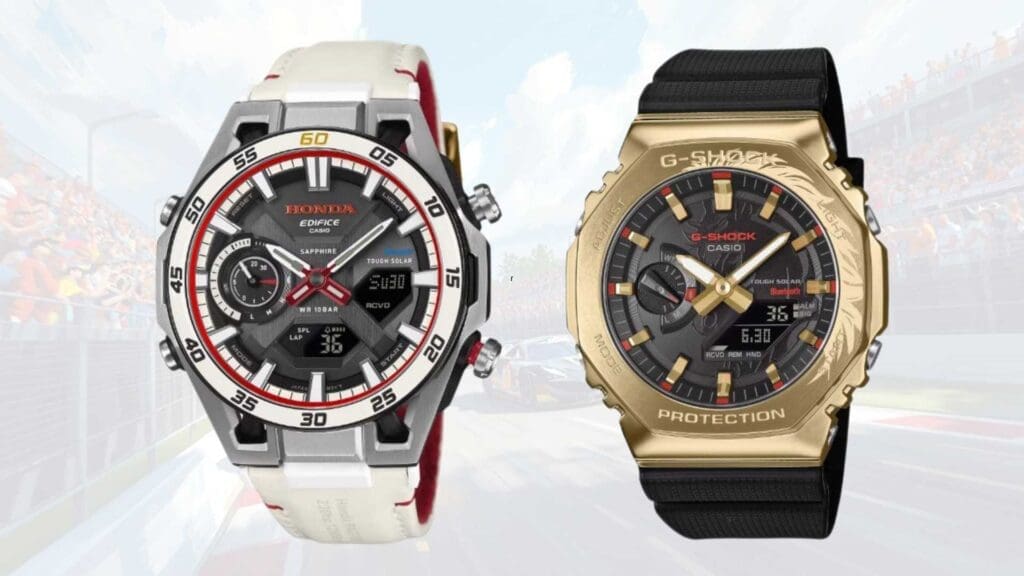
Some higher end Casio watches, particularly G-Shock, limited editions, or metal-cased models, may include additional production codes or partial serial markings. However, even in these cases, Casio does not always assign a fully unique serial number to every individual watch in the way Swiss brands typically do.
For these models, authenticity is still verified primarily through:
- Correct module-to-dial matching
- Case back engravings
- Build quality and finishing details
Why Casio’s System Differs From Swiss Luxury Brands
Swiss luxury brands often use individual serial numbers to track production, ownership history, and service records. Casio takes a different approach, focusing on functional identification rather than individual traceability. Because Casio produces watches at much higher volumes and across wider price ranges, using standardized identifiers makes watches easier to service, replace, and verify globally without adding unnecessary cost to the consumer.
Understanding this difference helps avoid a common mistake: assuming a Casio watch is fake simply because it doesn’t have a traditional serial number.

Serial Number vs Model Number vs Module Number
Casio uses several identification codes on its watches, and confusing them is one of the most common reasons owners think something is wrong with their watch. Understanding what each number means helps you identify your Casio correctly without relying on assumptions.
What Is a Casio Model Number?
A Casio model number identifies the watch design and configuration, not an individual unit. It tells you the case shape, materials, display type, and general feature set.
You’ll usually see the model number written:
- On the case back
- On the original box or hang tag
- In Casio manuals and catalogs
For example, a model number like F-91W or DW-5600E refers to a specific Casio watch style that thousands of identical units share. If two Casio watches have the same model number, that is normal and expected.
What Is a Casio Module Number?
The module number identifies the internal movement inside the watch. This is one of the most important numbers Casio uses for verification.
You can usually find the module number:
- Engraved on the case back
- Printed subtly on the dial (often near the bottom edge)
- Referenced in the instruction manual
Each module number corresponds to a specific layout of buttons, functions, alarms, and displays. If the module number on the case back does not match the functions or dial layout, that is a strong red flag for incorrect parts or a counterfeit watch.
When a True Serial Number Exists (And When It Doesn’t)
A true serial number (a unique identifier assigned to one individual watch) is not standard across all Casio models. Most Casio watches, especially entry-level and mid-range models, do not use individual serial numbers at all.
In some cases, you may see:
- Production codes
- Batch markings
- Limited-edition numbering (for special releases)
These should not be mistaken for a universal serial number system. Casio primarily relies on model and module consistency, not individual serial tracking, to identify and support its watches.
Knowing this distinction is essential. If your Casio watch lacks a traditional serial number, that alone does not indicate a problem. What matters is whether the model, module, and case markings all align correctly.
Where to Find Identification Numbers on a Casio Watch
Casio places identification information in several consistent locations. Knowing where to look and what each marking represents helps you avoid confusing normal design choices with missing or incorrect details.
Case Back Engravings
The case back is the primary place to check first. Most Casio watches display key identification details engraved or stamped here, including:
- The model number
- The module number (often shown inside a box or circle)
- Basic specifications such as water resistance and material
These engravings are standardized and clean. Uneven text, incorrect spacing, or missing module references can be early signs that something is off.
Strap, Case, and Internal Markings
Some Casio watches include additional markings beyond the case back:
- Resin or metal straps may show model or material codes
- The inside of the case back (visible only if opened) may carry production or assembly markings
- Certain dials discreetly print the module number near the bottom edge
Opening a watch case is not recommended unless you have experience, as improper handling can compromise water resistance.
Warranty Card, Box, and Manuals
Original packaging materials often repeat the watch’s identification details:
- The box label usually lists the model number
- The instruction manual references the module number
- Warranty cards may include purchase details, though Casio typically does not rely on serial numbers for warranty tracking
Matching the information across these items helps confirm that the watch components belong together.
Casio Apps and Bluetooth Models (If Applicable)
For Bluetooth-enabled and smart-enabled models from Casio, identification data may also appear digitally:
- The official app can display the connected model and module
- Sync confirmation ensures the internal module matches the case and dial
This digital confirmation is especially useful for modern G-Shock and connected Casio lines, where physical markings and software data should always align.

How to Check Casio Watch Serial Number or Identification Codes
Because Casio relies more on model and module accuracy than traditional serial numbers, checking your watch is about confirming consistency across all markings rather than finding a single traceable code.
Step 1 – Clean and Inspect the Case Back
Start by gently wiping the case back with a soft cloth to remove oils, dust, or residue that can hide fine details. Once clean, look closely for:
- The model number
- The module number
- Standard engravings such as water resistance and material
Step 2 – Match the Module Number to the Dial
Next, locate the module number and confirm it matches the watch’s dial layout and functions. Many Casio watches print the module number subtly on the dial, often near the bottom edge.
The module number determines:
- Button functions
- Display layout
- Alarm, timer, and light behavior
If the module number does not align with how the watch operates, the watch may contain incorrect parts or be counterfeit.
Step 3 – Cross-Check Model and Case Codes
Now compare the model number on the case back with:
- The watch’s physical design
- Strap or bracelet style
- Display type and size
A genuine Casio watch will show logical consistency. A mismatch (e.g., a model number tied to a different case shape or strap) is a warning sign, even if the watch appears functional.
Step 4 – Compare With Official Casio Documentation
Finally, verify your findings using official sources from Casio:
- Instruction manuals linked to the module number
- Product listings or archived catalogs
- Original box labels or paperwork
When the module, model, dial, and case markings all match official documentation, you can be confident that your Casio watch is correctly identified, even if it does not have a traditional serial number.
How to Tell If a Casio Watch Is Authentic Without a Serial Number
Because many Casio watches do not use individual serial numbers, authenticity is determined by accuracy and consistency, not traceability. Casio watches are engineered with tight standards, and counterfeits usually fail in small but noticeable ways.
Module Accuracy
The module number is one of the strongest authenticity indicators. A genuine Casio watch will have:
- A module number that matches the dial layout
- Functions that behave exactly as described in the official manual
- Correct button responses and sequences
Dial Printing
Casio dial printing is precise and clean. Look closely at:
- Font shape and spacing
- Alignment of text and markers
- Correct spelling and capitalization
Blurry text, uneven spacing, or incorrect wording are common signs of counterfeit production.
Button Layout
Each Casio module has a fixed button configuration. The position, size, and feel of the buttons should match official images and manuals.
Counterfeit watches often have:
- Incorrect button placement
- Mushy or inconsistent button feedback
- Functions assigned to the wrong buttons
Build Quality
Even on affordable models, Casio maintains consistent build standards. Genuine watches feel solid, with:
- Secure strap attachment
- Clean case edges
- Even finishing on resin or metal parts
Common Counterfeit Mistakes
Fake Casio watches frequently show one or more of these issues:
- Module number that doesn’t match the dial or functions
- Incorrect or missing case back engravings
- Low-quality backlighting or uneven LCD segments
- Spelling errors or inconsistent branding
Why Casio Watch Identification Still Matters
Even though many Casio watches do not use individual serial numbers, proper identification is still essential for ownership, maintenance, and resale. Knowing how to confirm the correct model and module protects you from avoidable issues later on.
Warranty and Service Eligibility
Casio service centers rely on model and module information to determine correct repairs, parts compatibility, and service procedures. Accurate identification helps ensure:
- The correct movement and components are used
- Service instructions match the internal module
- Warranty-related questions are handled efficiently
Resale Transparency
Clear identification builds trust when selling or trading a Casio watch. Buyers often want confirmation that:
- The module matches the dial and case
- The watch is configured exactly as the model number describes
- No internal parts have been swapped or replaced incorrectly
Avoiding Mismatched or Fake Modules
One of the most common issues in used Casio watches is module swapping, where a different movement is installed inside an otherwise correct case. This can affect functionality, accuracy, and long-term reliability.
Understanding Casio’s identification system helps you spot:
- Watches that look correct but operate incorrectly
- Inconsistent markings between the case, dial, and functions
- Counterfeit or poorly serviced pieces before they become a problem
What to Do If You Can’t Find Any Serial or Identification Code
If you can’t locate a serial number or clear identification markings on your Casio watch, don’t panic. In many cases, this is normal, especially for entry-level models. What matters is knowing the safest next steps.
Visit Authorized Dealers and Service Centers
An authorized Casio dealer or service center can inspect your watch and confirm:
- The correct model and module
- Whether the watch matches factory specifications
- If any parts appear incorrect or replaced
These professionals have access to official documentation and comparison models, making them the most reliable option for verification.
Know When Not to Open the Case
Opening the case yourself is rarely necessary and often risky. Avoid opening the watch if:
- You don’t have proper tools or experience
- The watch has water resistance you want to preserve
- You only need external verification
Use Third-Party Databases With Caution
Some online databases and forums list Casio model and module information, but they should be treated as reference points, not final authority. Information may be outdated, incomplete, or incorrectly crowdsourced.
Whenever possible, confirm details using:
- Official Casio manuals
- Authorized service centers
- Verified product listings from trusted sources
Key Takeaways on Checking Casio Watch Serial Numbers
Checking a Casio watch is about understanding how Casio identifies its watches, not forcing it into a serial number system used by luxury brands. Assuming every Casio watch should have a unique serial number often leads to unnecessary confusion.
What matters most is using the correct identification method:
- Verify the model number to confirm the watch design
- Match the module number to the dial layout and functions
- Check that all markings align with official Casio documentation
Casio’s approach is not inconsistent, it’s intentional. By focusing on standardized modules and model codes, Casio keeps its watches reliable, affordable, and easy to service worldwide. Once you understand that system, identifying and verifying a Casio watch becomes straightforward and dependable.