
Have you ever worn a Rolex Jubilee bracelet that felt too loose in the morning but too tight when the weather warmed up? Many Rolex owners deal with this because the Jubilee bracelet reacts to wrist swelling and wrist movement throughout the day.
In this guide, you’ll learn how to adjust Rolex Jubilee bracelet safely, correctly, and without damaging your watch. We’ll cover tools, micro-adjustments, screw links, Crownclasp adjustments, and vintage pin-and-tube bracelets.Keep reading so you can size your Jubilee bracelet confidently and avoid costly mistakes.
What Is a Rolex Jubilee Bracelet?
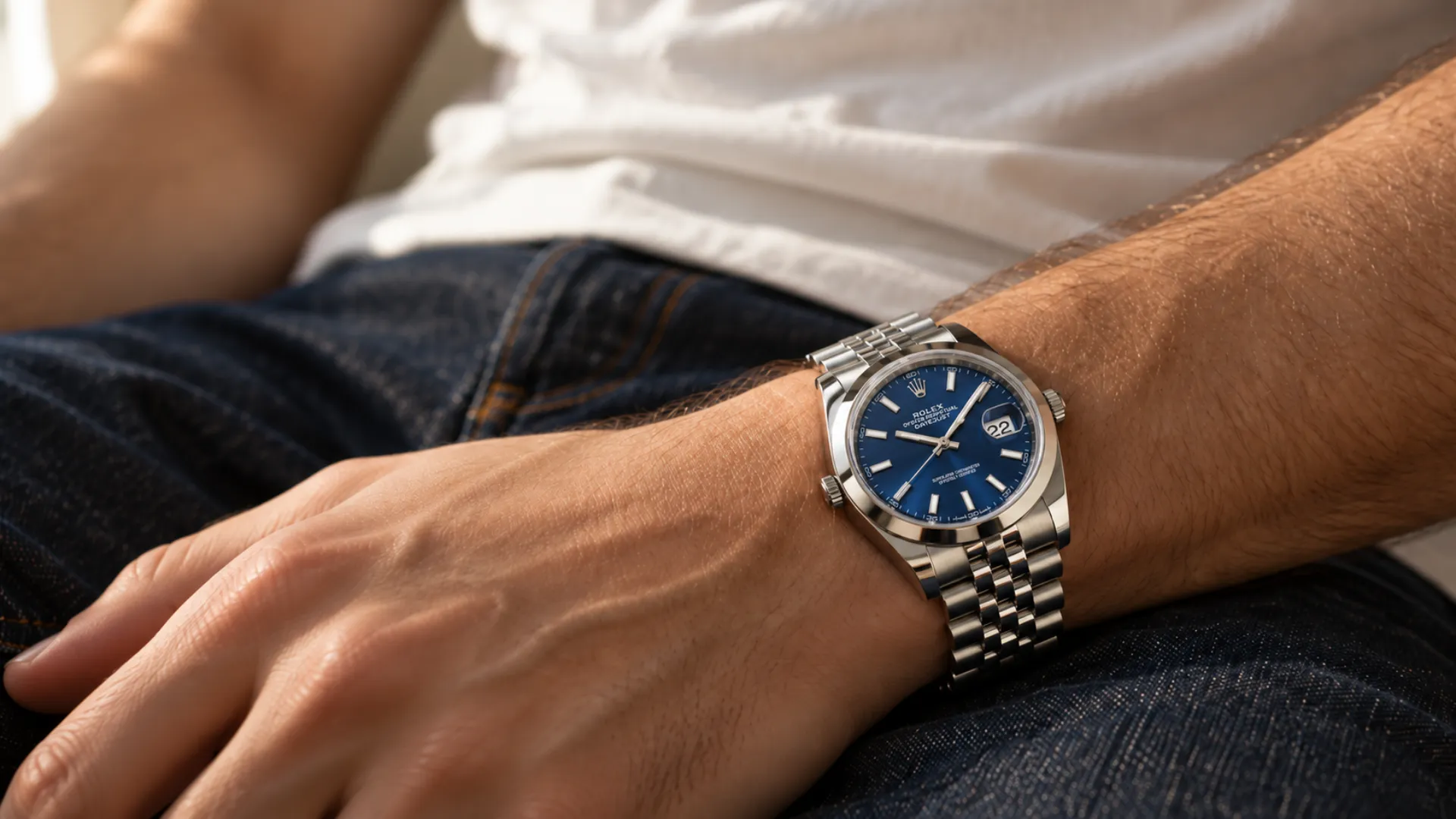
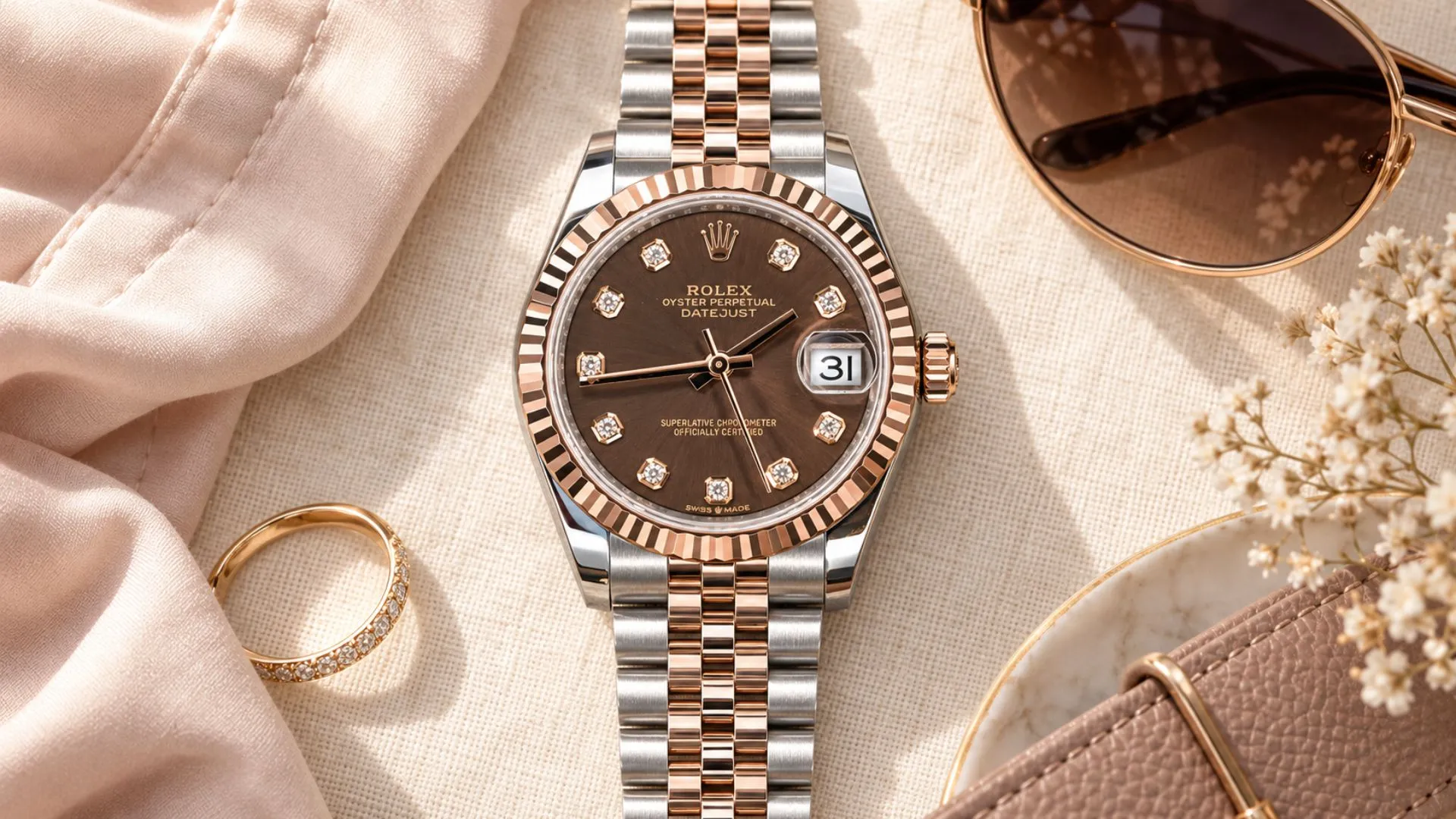
A Rolex Jubilee bracelet is a five-link metal bracelet introduced in 1945 for the Rolex Datejust. If you want to master adjusting a Rolex Jubilee bracelet, it helps to know that the Jubilee comes in different versions: modern screw-link bracelets, Crownclasp models, and vintage pin-and-tube constructions.
The Jubilee is known for its soft drape, flexibility, and dressy look. You will find it on models like the Rolex Datejust, Rolex GMT-Master, and some Day-Date references. Understanding your bracelet type makes adjustments easier and safer.
Rules Before Adjusting a Rolex Jubilee Bracelet
Before you begin adjusting your Jubilee bracelet, you need to follow a few important rules to avoid damage. These basics keep your bracelet safe, your links secure, and your adjustment process smooth:
- Always use proper Rolex-spec watchmaker tools.
- Protect polished center links from scratches.
- Handle end links gently to avoid bending.
- Confirm whether the bracelet uses screws or pin-and-tube links.
- Avoid using the wrong adjustment method for your bracelet type.
- Work slowly on vintage bracelets to prevent additional stretch.
Tools Needed to Adjust a Rolex Jubilee Bracelet
Using proper tools protects the bracelet and ensures each adjustment is clean and controlled. You will need the following tools to safely and correctly adjust a Rolex Jubilee bracelet:
- 1.6 mm Rolex-spec screwdriver (for modern screw links)
- Spring-bar tool (for Easylink and Crownclasp adjustments)
- Pin pusher (0.8–1.0 mm) for vintage pin-and-tube links
- Soft microfiber cloth to prevent scratches
- Small tray for storing screws, sleeves, and pins
- Watchmaker’s loupe (optional) for precision work
How to Adjust a Rolex Jubilee Bracelet Using the Clasp Micro-Adjustment
Modern Jubilee bracelets include a 5 mm Easylink extension or micro-adjustment holes inside the clasp. Here’s how to use these built-in systems to fine-tune your bracelet fit:
1. Open the clasp and locate the micro-adjustment option – Open the clasp fully and check if your bracelet uses Easylink or micro-holes. This ensures you adjust the correct component. A quick inspection prevents unnecessary bending or scratches.
2. For Easylink, fold in or extend the 5 mm comfort link – Pull the Easylink out to extend or fold it back in to shorten the bracelet. It moves easily with light pressure. This quick change adds or removes 5 mm instantly.
3. For micro-hole clasps, move the spring bar to another hole – Use a spring-bar tool to press the bar inward and shift it to another hole. Work slowly so the tool doesn’t slip. Even one hole change makes a noticeable difference in fit.
4. Ensure the spring bar seats fully – Gently wiggle the bracelet until you feel a soft click. A partially seated spring bar can pop out during wear. Locked-in placement ensures long-term stability.
5. Close the clasp and check the fit – Try the bracelet on and check comfort at the wrist bone. Adjust again if needed. Micro-adjustments often give the most precise fit.
How to Remove Links From a Rolex Jubilee Bracelet (Modern Screw Links)
Modern Jubilee bracelets use screw links, making resizing simple. Here is how to remove links safely and correctly:
1. Lay the bracelet on a soft cloth to prevent scratches – Place the bracelet on a padded microfiber cloth. This protects polished center links from tool slips. A stable surface ensures safe adjustments.
2. Use a 1.6 mm screwdriver to loosen link screws – Insert the screwdriver straight into the screw head and apply steady pressure. A hollow-ground tip fits perfectly and prevents stripping. Turn slowly to avoid damaging threads.
3. Remove one screw at a time to avoid stripping – Work on one link per attempt instead of removing several screws at once. Doing so prevents confusion and reduces the chance of losing pieces. Slow work protects the bracelet.
4. Take out the link, keeping the screw and sleeve together – Gently slide out the link and store both the screw and sleeve in a tray. Keeping pairs together ensures easy reassembly. Losing sleeves can make the bracelet unusable.
5. Reassemble the bracelet by reconnecting the link ends – Align the holes perfectly before reinserting the screw. Misalignment can cause cross-threading. A careful fit keeps the bracelet tight and smooth.
6. Tighten screws to factory torque (5–7 cN·m) – Tighten only until you feel proper resistance. Over-tightening damages threads and shortens bracelet life. A torque screwdriver is ideal for exact pressure.
7. Store removed links safely – Wipe removed links clean and place them in a small pouch. You may need them if your wrist size changes. Proper storage helps protect value.
How to Adjust a Rolex Jubilee Bracelet on a Crownclasp
The Crownclasp is a hidden clasp used on some Datejust and Day-Date models. Here is how to adjust the bracelet when using a Crownclasp:
1. Identify the hidden micro-adjustment inside the clasp – Look under the internal clasp bar to find the adjustment slot. Knowing its position helps avoid bending the wrong part. This prevents internal damage.
2. Use a spring-bar tool to shift the bar to a new position – Press the spring bar inward and guide it into another slot. Work slowly to avoid scratching the metal. Precision ensures a clean adjustment.
3. Ensure the bar locks fully into the new slot – Feel or listen for a soft click. A partially seated bar can slip unexpectedly during wear. A fully locked position ensures stability.
4. Close the Crownclasp and confirm even fit – Make sure the bracelet sits centered on your wrist. If it pulls to one side, adjust again. Balanced placement improves comfort and appearance.
How to Shorten a Vintage Jubilee Bracelet (Pin-and-Tube Links)
Vintage Jubilee bracelets like the 62510H or 6251H use pin-and-tube construction. Here is how to shorten and size these older models safely:
1. Identify the directional arrows inside the bracelet –Turn the bracelet over to see arrows showing which direction the pins should exit. Following the arrows avoids bending or cracking the tubes. This protects fragile vintage parts.
2. Use a pin pusher to push out the link pin – Place the pin pusher on the indicated side and tap gently. These pins are soft, so tapping too hard can deform them. Light pressure protects the tube system.
3. Remove the link and keep the tube + pin together – Lift the pin and tube carefully and store them in a tray. Vintage components are small and easily misplaced. Keeping them paired avoids reassembly issues.
4. Reinsert the tube into the next link pair – Align the tube precisely before pushing it in. Misalignment can distort the bracelet shape. Proper alignment ensures the bracelet drapes correctly.
5. Tap the pin back in until flush – Push the pin gently until it sits flat with the link. If the pin sticks out, it can snag clothing or loosen over time. A flush finish ensures long-term stability.

What Not to Do When Adjusting a Rolex Jubilee Bracelet
Before adjusting your Jubilee bracelet, it’s important to understand what can damage it or create long-term problems. These warnings will help you avoid costly mistakes and keep your bracelet in excellent condition.
- Do not use cheap screwdrivers – Low-quality tools easily strip Rolex screws and ruin their heads. Once stripped, the screws become difficult or impossible to remove without professional work.
- Do not apply excessive force on end links – End links bend easily and can deform the bracelet’s fit. Gentle handling ensures the links stay aligned with the case.
- Do not overtighten link screws – Applying too much torque damages screw threads permanently. Damaged threads weaken the bracelet and reduce its lifespan.
- Do not adjust the bracelet while it’s on your wrist – Tools are more likely to slip and scratch the case or center links. Always remove the watch and work on a padded surface.
- Do not use pliers or household tools – These tools leave deep marks, bend links, and destroy the bracelet’s finish. Always use proper watchmaker tools that fit precisely.
- Do not remove too many links from one side – This will cause the clasp to sit crooked on your wrist. Balanced link removal keeps the bracelet comfortable and centered.
- Do not work aggressively on vintage bracelets – Older Jubilee bracelets stretch easily, and one hard push can damage the tubes. Work slowly to protect fragile components.
- Do not ignore loose screws – A loose screw can fall out while you’re wearing the watch, risking a full bracelet failure. Check and tighten screws regularly to prevent accidents.
Useful Tips for Adjusting a Rolex Jubilee Bracelet
Adjusting a Jubilee bracelet becomes much easier when you follow simple habits that protect the bracelet and improve overall accuracy. These tips help you size it more safely and achieve a long-lasting, comfortable fit.
- Remove links evenly from both sides – This keeps the clasp centered and improves comfort. A balanced bracelet also looks cleaner on the wrist.
- Warm your wrist before sizing – Your wrist expands during the day, so sizing while warm gives a more accurate fit. This prevents unexpected tightness later.
- Use a loupe for small screws – It helps you keep the screwdriver perfectly aligned. This prevents slipping and scratching polished links.
- Clean the bracelet after adjusting – Adjustments create metal dust that can scratch parts. A quick wipe maintains shine and condition.
- Store removed links in a labeled pouch – Note the date and number of links removed. This is helpful if your wrist size changes later.
- Check screw tightness monthly – Temperature changes can loosen screws over time. A quick check prevents accidental bracelet failure.
- Size slightly looser in hot climates – Heat makes the wrist swell, so leaving space improves comfort. This keeps the bracelet from pinching your skin.
- Tape polished links before working. Masking tape prevents hairline scratches from tools. This is especially helpful on two-tone models.
- Always work on a flat, padded surface – It keeps the bracelet stable and protects the case and links. A controlled workspace prevents mistakes.
- Test fit at multiple arm angles – Move your wrist up, down, and sideways. This helps confirm all-day comfort.

When to Ask a Professional to Adjust a Rolex Jubilee Bracelet
You should seek professional help if the screws are seized, if the bracelet is heavily stretched, or if you are adjusting a rare vintage Jubilee. Rolex watchmakers use torque-regulated screwdrivers and pressure testers to ensure the watch stays secure and water-resistant.
Even if you feel confident adjusting your bracelet, professional service is the safer option whenever you notice resistance, uncertainty, or delicate vintage parts.
Final Thoughts on How to Adjust a Rolex Jubilee Bracelet
Learning how to adjust Rolex Jubilee bracelet correctly gives you more control over comfort and protects your watch from unnecessary wear. Once you understand the tools and methods, you’ll feel much more confident working on your own bracelet. Just take your time, double-check each step, and don’t rush, as your Jubilee has delicate parts that deserve care.
And if something ever feels too tight, too loose, or simply “not right,” give yourself permission to pause and reassess. With a bit of patience and steady hands, you’ll keep your bracelet fitting perfectly and your Rolex looking its best every day.
FAQs About Adjusting a Rolex Jubilee Bracelet
How many links should I remove for a proper fit?
Most Jubilee bracelets require removing 1–3 links based on wrist size. When adjusting your Jubilee bracelet, remember to remove links from both sides of the clasp to keep it centered. A centered clasp improves comfort and appearance. Always test the fit after each link removal to avoid making the bracelet too tight.
Which side of the bracelet should links be removed from?
You should remove links from both sides, not just one. This keeps the clasp centered on your wrist and maintains proper weight distribution. Removing links from only one side can make the clasp sit crooked or feel uncomfortable.
Are Jubilee screws the same size as Oyster screws?
Most modern Jubilee bracelets use 1.6 mm screws like Oyster bracelets, but tolerances vary by model and year. Older Jubilee bracelets may use softer or smaller screws. When adjusting Rolex Jubilee bracelet, always confirm the screw size before choosing a screwdriver to avoid stripping or damaging the heads.
Can I adjust the Jubilee bracelet without removing links?
Yes. Many modern Jubilee bracelets include a 5 mm Easylink extension or internal micro-adjustment holes inside the clasp. These let you change the fit instantly without removing links. They are especially helpful for daily wrist swelling or small comfort adjustments throughout the day.
Should I take my Jubilee bracelet to a Rolex service center for sizing?
Yes, you should consider a service center if the screws are stuck, the bracelet has heavy stretch, or you’re working with a rare vintage piece. Professionals use torque-regulated tools and proper support blocks to avoid damage. This ensures the bracelet remains strong, aligned, and safe during adjustment.