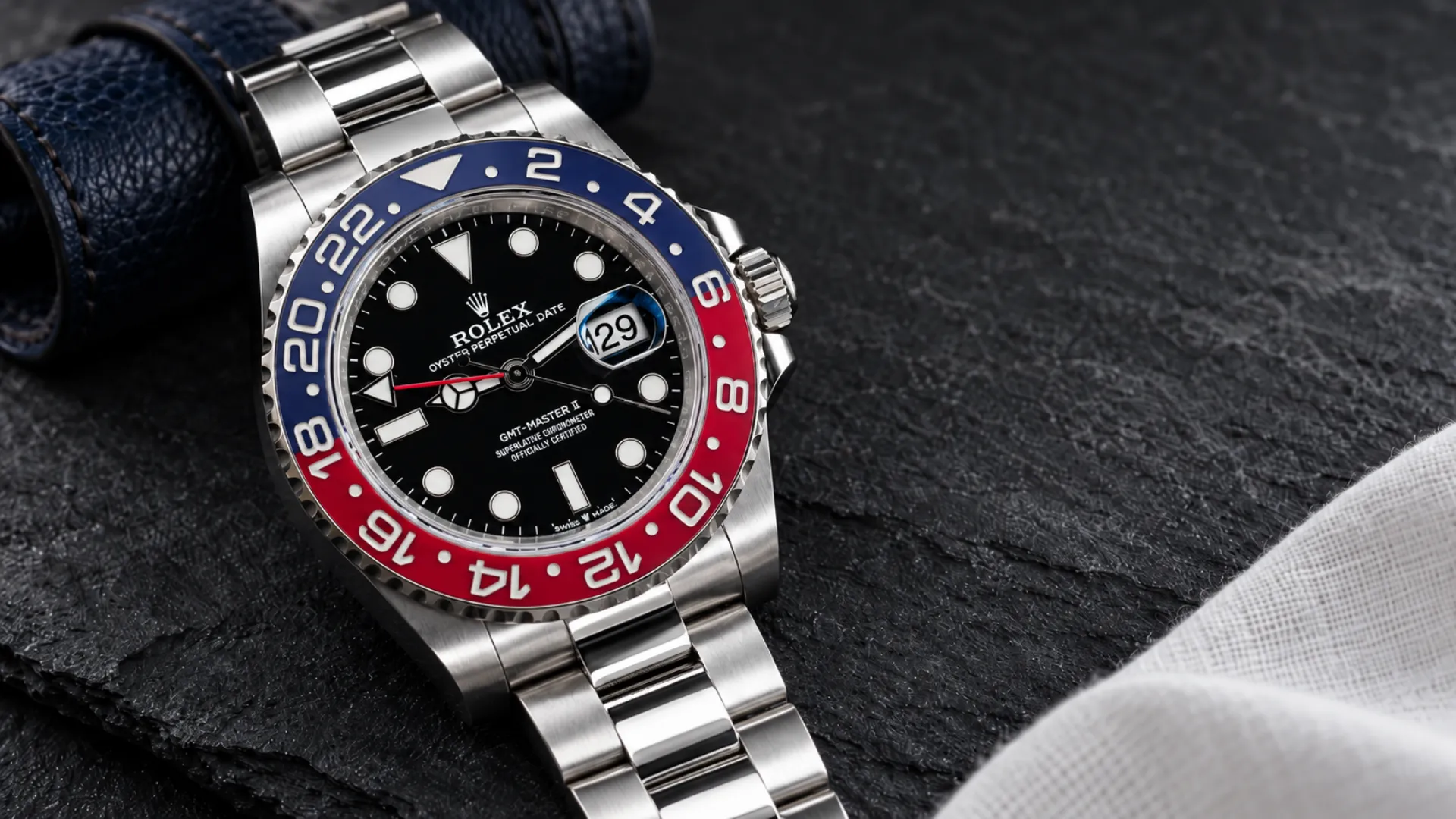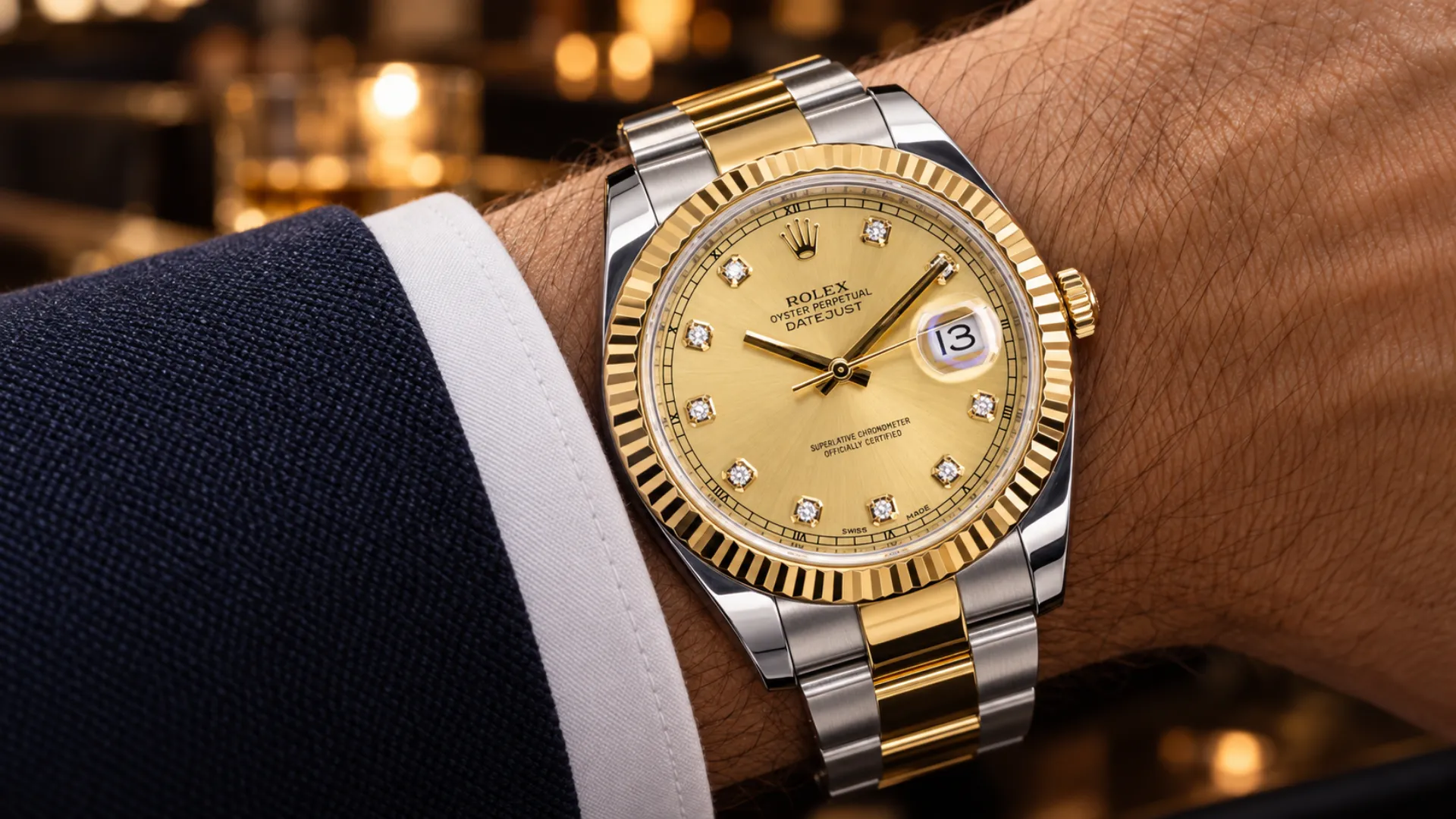

When the bracelet, clasp, case, or crystal of your luxury watch begins to lose its shine, it often raises the question of whether polishing is needed. But, how much does watch polishing cost?
Watch polishing prices can vary widely, from under $100 at a local watchmaker to several hundred dollars at an authorized service center. Collectors debate whether to polish at all, while others find the results worth every dollar.
This article breaks down what watch polishing actually involves, how pricing is set, and why brand, materials, and service approach affect the final cost.
Polishing a watch removes surface scratches, scuffs, and minor imperfections from the case, bracelet, or bezel of a stainless steel, gold, or titanium watch. Professionals carefully buff the metal using specialized compounds and tools to restore its shine and smooth finish. This process enhances the watch’s appearance, maintains its value, and protects the metal surfaces from long-term wear, keeping the timepiece looking clean, reflective, and well-maintained
The Polishing Process
Professional watch polishing follows a precise, step-by-step process to restore the watch without compromising its structure or finish.
1. Initial Inspection: The watchmaker examines the case, bezel, lugs, and bracelet for scratches, dents, and worn finishes. They determine the depth of imperfections and the type of polish required.
2. Disassembly: The movement, crown, crystal, and delicate components are carefully removed or masked to prevent damage during polishing.
3. Surface Preparation: The watch surfaces are cleaned and degreased. Any dirt or oils are removed for an even polish.
4. Scratch Removal: Using specialized abrasives, scratches and minor dents are carefully removed from the metal surfaces.
5. Finishing: Different polishing compounds and tools restore the original shine and contrast between brushed and polished finishes.
6. Detailing: Bevels, edges, and intricate areas receive extra attention to maintain the watch’s design integrity.
7. Final Cleaning & Quality Check: The watch is cleaned in an ultrasonic bath and inspected so all surfaces match factory standards and the polish is consistent.
Components Typically Polished
When a watch undergoes professional polishing, several key components receive attention to restore their appearance and finish:
- Case: The main body of the watch, including the sides and top, is polished to remove scratches and restore sharp contours.
- Bezel: Polishing smooths minor scuffs while preserving any engravings or markings, maintaining both aesthetics and readability.
- Lugs: The extensions connecting the case to the bracelet are polished to enhance symmetry and maintain the original bevels.
- Bracelet: Links are carefully polished, with attention to both brushed and polished finishes, ensuring uniformity and a restored shine.
- Clasp: The buckle or folding clasp is polished to remove surface marks while keeping functionality intact.
Crystal (rarely): Scratches on sapphire or mineral crystals are typically replaced rather than polished, as polishing can compromise clarity or strength.
Polished vs. Unpolished Watch: What’s the Difference?
An unpolished watch maintains its factory finish, preserving original bevels, sharp edges, and surface textures, while a polished watch shows smoother surfaces and restored shine. Brands like Rolex, Patek Philippe, and Omega illustrate this contrast clearly, as collectors often value unpolished models for their authenticity.
Unpolished watches retain micro-details that indicate age and wear, which can enhance collectibility and resale value, especially for vintage pieces. Polished watches, on the other hand, look visually newer but may lose subtle characteristics, such as crisp edges or original brushing patterns.
Collectors and enthusiasts often decide based on long-term investment goals, personal preference, and rarity. For example, an unpolished vintage Submariner may fetch a higher auction price than a fully polished one because it reflects untouched craftsmanship. Polished watches prioritize appearance and immediate visual appeal over historical authenticity.
This distinction affects not only aesthetics but also market perception and value, making the choice between unpolished and polished critical for luxury watch owners.
How to Know if Your Watch Needs Polishing

Determining whether your watch needs polishing requires careful observation of its surfaces and finishes. Regular inspection can help maintain aesthetics without compromising value, especially for vintage pieces where some collectors prefer to leave the watch unpolished.
Here are 8 signs your watch may need professional polishing:
1. Visible Micro-Scratches on Metal Surfaces: Fine scratches that scatter light and dull the shine indicate the surface could benefit from polishing.
2. Scuffed or Worn Bracelet Links: Uneven wear on the bracelet, particularly on edges and center links, signals it may need refinishing.
3. Dull Finish on Bevels or Edges: Loss of sharpness or brilliance on lugs and case edges suggests the polished and brushed contrasts have faded.
4. Surface Oxidation or Tarnish: Discoloration on gold, silver, or stainless steel components can be minimized through professional polishing.
5. Scratched Clasp or Buckle: Frequent contact points like clasps often develop scratches that reduce visual appeal.
6. Uneven Surface Texture: When brushed and polished finishes no longer feel consistent to the touch, it may indicate wear that polishing can correct.
7. Minor Dents or Gouges: Shallow dents that do not affect structural integrity can often be smoothed out while maintaining overall form.
8. Loss of Visual Appeal: If the watch looks tired or aged compared to its original factory condition, polishing can restore brightness; however, vintage collectors may choose to leave the watch unpolished to preserve originality and value.
How Often to Polish a Watch
The frequency of polishing depends largely on wear patterns and lifestyle rather than a fixed timeline. Watches exposed to daily friction, contact with hard surfaces, or frequent travel may need attention sooner than those worn occasionally. Polishing too often can gradually change the contours of the case and bracelet, so timing it correctly is crucial.
Professional watchmakers typically assess the surface integrity, metal thickness, and finish quality to determine when polishing is appropriate. Collectors with rare or vintage pieces sometimes skip polishing entirely to maintain factory edges and original finishes, even if minor scratches are present. Observing your watch closely and consulting a professional helps it receive care only when genuinely needed.
What a Full Watch Polishing Service Covers
A full watch polishing service goes beyond improving shine. It addresses all aspects of the watch’s exterior to restore appearance, detail, and functionality.
Key elements typically include:
- Edge Refinement: Skilled watchmakers redefine sharp edges and bevels while preserving the original case shape, ensuring crisp lines and a factory-accurate finish.
- Surface Uniformity: Polishing corrects inconsistencies or minor unevenness on brushed and polished areas, restoring a smooth, balanced look across the entire case and bracelet.
- Bracelet Adjustment: Links and pins are realigned and smoothed, providing consistent tension, eliminating rattles, and enhancing the overall feel and movement of the bracelet.
- Clasp Restoration: Functional parts like clasps and folding mechanisms are polished and fine-tuned for smooth operation, durability, and a visually seamless appearance.
- Minor Dent Correction: Shallow dents or nicks are carefully minimized using precise techniques, maintaining the structural integrity of the case without altering the watch’s overall form.
- Oxidation or Patina Control: Discoloration, tarnish, or early signs of oxidation on metal surfaces are treated to restore the natural tone and prevent further deterioration.
- Protective Cleaning: After polishing, the watch is cleaned thoroughly to remove all compounds, residues, and debris, leaving the case, bracelet, and components perfectly pristine.
Watch Polishing Costs by Material and Model
Polishing costs vary depending on the watch model, case material, and bracelet type, as each combination requires different techniques and time. Understanding these differences helps owners plan for service expenses and make informed decisions about maintenance.
Here’s a detailed table showing typical polishing costs for popular luxury watches:
| Watch Model | Case Material | Bracelet Material | Typical Cost (USD) |
| Rolex Submariner | Stainless Steel | Oyster Bracelet | $250 – $450 |
| Omega Seamaster | Stainless Steel | Metal Bracelet | $200 – $400 |
| Patek Philippe Nautilus | 18k Rose Gold | Integrated Bracelet | $500 – $800 |
| Rolex Day-Date | 18k Yellow Gold | President Bracelet | $450 – $750 |
| Omega Speedmaster | Stainless Steel | Leather Strap | $150 – $300 |
| Cartier Santos | Stainless Steel | Metal Bracelet | $300 – $500 |
| Patek Philippe Calatrava | Platinum | Leather Strap | $600 – $900 |
| Rolex GMT-Master II | Stainless Steel | Jubilee Bracelet | $300 – $500 |
Average Costs of Polishing by Watch Type
Polishing costs also vary depending on the type of watch, as different designs, materials, and complications require different levels of expertise. Understanding the average price for each watch type helps owners budget accurately and choose the right service for their timepiece.
Here are typical polishing costs based on popular watch types:
| Watch Type | Typical Case Material | Typical Bracelet/Strap | Average Polishing Cost (USD) |
| Divers Watches | Stainless Steel or Titanium | Metal Bracelet or Rubber | $200 – $450 |
| Dress Watches | Stainless Steel, Gold, or Platinum | Leather Strap or Metal | $250 – $700 |
| Chronographs | Stainless Steel or Gold | Metal Bracelet or Leather | $300 – $600 |
| Precious Metal Watches | 18k Gold, Rose Gold, or Platinum | Matching Metal Bracelet | $500 – $900 |
| Vintage Watches | Stainless Steel or Gold | Leather Strap or Metal | $350 – $750 |
Authorized Service vs. Independent Watchmakers
Choosing between an authorized service center and an independent watchmaker can significantly impact both cost and experience. Authorized centers are backed by the brand and often handle all components in-house, while independent watchmakers provide specialized attention and flexible service options. Understanding the differences helps owners make informed decisions based on priorities like warranty, speed, and budget.
Authorized Service Centers
- Pros:
- Guaranteed use of genuine parts and factory-approved procedures.
- Maintain brand warranty and preserve resale authenticity.
- Standardized quality checks with trained technicians for specific models.
- Cons:
- Typically more expensive than independent options.
- Longer turnaround times due to centralized processes.
- Less flexibility in addressing minor custom requests or aesthetic preferences.
Independent Watchmakers
- Pros:
- Lower costs and more flexible pricing.
- Faster turnaround and personalized attention to detail.
- Ability to handle minor cosmetic adjustments or vintage restorations not supported by the brand.
- Cons:
- May not use brand-approved parts, affecting authenticity.
- Warranty coverage can be limited or nonexistent.
- Quality may vary depending on the watchmaker’s experience with specific brands.
This comparison helps owners weigh cost, speed, and authenticity to decide the most suitable option for their watch’s maintenance and polishing needs.
What Does It Mean to Polish a Watch?

A polished watch displays a smoother, more reflective surface that enhances visual appeal. Brands like Rolex, Patek Philippe, and Omega clearly show how this choice affects both aesthetics and market perception.
Collectors value unpolished watches for their natural signs of wear, seeing them as a record of authenticity and history. Polishing removes these traces, creating a refreshed appearance while slightly altering the watch’s original character.
This difference directly affects resale and collectibility. Unpolished watches often achieve higher auction prices among enthusiasts who prioritize originality. Polished watches attract owners who want an immediate visual impact and a modernized look while keeping full functionality.
Owners choose between the two based on whether they prioritize historical authenticity or cosmetic enhancement. Both maintain the watch’s performance, but they serve different goals in presentation and long-term market value.
Tips to Minimize Watch Polishing Costs
Owners of luxury watches from brands like Rolex, Omega, and Patek Philippe can reduce polishing costs by taking proactive care of their timepieces. Simple maintenance habits prevent excessive wear and preserve the watch’s finish, making professional polishing less frequent and more cost-effective.
1. Alternate Which Watches You Wear
Wearing different watches in rotation spreads wear evenly across your collection. This prevents one watch from accumulating constant friction or pressure, reducing scratches and preserving both polished and brushed finishes. Rotation keeps each timepiece looking fresh and extends the intervals between professional polishing sessions.
2. Store Properly in a Watch Box
Keep watches in padded compartments or dedicated boxes to prevent contact with hard surfaces or other timepieces. Proper storage shields delicate finishes from scratches, dust, and accidental bumps. By organizing watches individually, you maintain their aesthetic appeal, reduce wear, and extend the intervals between professional polishing services.
3. Use Protective Sleeves for Travel
Always place watches in soft pouches or sleeves when traveling to avoid impacts and scratches. This protects metal surfaces from luggage, keys, or other items, preserving the original finish. Using protective sleeves helps your watches arrive in pristine condition and reduces the risk of cosmetic damage during transport.
4. Avoid Using Harsh Chemicals
Prevent your watch from contacting perfumes, cleaning agents, or chlorine, as these can harm metal finishes. After exposure, wipe your timepiece with a soft, dry cloth to restore luster. Regular care protects finishes, prevents discoloration or corrosion, and minimizes the need for early professional polishing.
5. Clean the Bracelet Frequently
Remove dirt and debris from bracelet links and clasps regularly to prevent micro-abrasions. Use a soft brush with mild soapy water for metal, leather, or hybrid straps. Keeping the bracelet clean maintains smoothness, preserves aesthetic quality, and reduces unnecessary wear that accelerates the need for polishing.
6. Handle the Watches With Care
Always handle your watch gently, avoiding resting it on hard surfaces or accidental knocks. Careful handling preserves case contours, bracelet integrity, and surface finishes. Minimizing impacts and rough contact helps maintain both appearance and functionality, extending the life of your watch without frequent professional intervention.
7. Invest in a Protective Coating
Apply professional-grade coatings or films to stainless steel, gold, or other metals to reduce minor scratches. Protective coatings act as a barrier against everyday wear, preserving the original finish. This preventive measure delays polishing needs, maintains a polished appearance longer, and protects the watch’s value.
8. Use a Soft Polishing Cloth
Lightly buff your watch with a microfiber cloth between professional services to maintain shine. This simple home care prevents surface dullness without removing metal. Regular gentle polishing keeps the watch visually appealing and reduces the frequency of full professional polishing sessions.
9. Schedule Professional Maintenance
Combine polishing with authorized service intervals to reduce overall costs and downtime. Coordinating polishing with routine maintenance promotes efficiency, limits handling, and minimizes cumulative wear. This approach helps protect the watch’s finish while making professional care more cost-effective and time-efficient.
10. Educate Yourself on Finishes
Understand the difference between brushed and polished finishes to avoid over-polishing. Knowing your watch’s specific surface type helps touch-ups retain original character and factory aesthetics. This knowledge allows safer home maintenance and helps professional polishing preserve the design intent of your timepiece.
Final Thoughts on How Much Does Watch Polishing Cost
Taking care of your luxury watch goes well beyond the cost of polishing. Understanding how much watch polishing costs helps you plan, budget, and protect your timepiece’s long-term value. Investing in professional care safeguards your timepiece against wear and tear, keeping it as timeless and elegant as the day you acquired it.
Watch for signs of wear, handle your watch gently, and use protective storage, coatings, or travel sleeves to reduce unnecessary polishing. Maintaining these small, consistent habits helps extend the life of your watch and keeps it looking its best for years to come.
Consult professionals for advice specific to your model, and avoid rushing into polishing unless truly needed. With consistent attention, you can keep your watch shining beautifully and preserve its original character for decades.