
Automatic watch repair cost depends on what has gone wrong inside the movement and how much work is required to restore proper performance. Automatic watches have many moving parts. Repairs can range from a simple overhaul to the replacement of worn components if the problem has been ignored for too long.
Many owners are surprised by how different the cost can be from one repair to another, even on similar watches. This guide explains what automatic watch repair includes, what typically drives the price up or down, and what you can expect for common repair scenarios across various brands and watch segments.
What Does “Automatic Watch Repair” Include?
Automatic watch repair involves restoring the movement so it winds, runs, and keeps time the way it should. A repair usually begins with opening the case, inspecting the movement, and identifying worn or damaged parts.
Most watches require a full overhaul, which includes taking the movement apart, cleaning every component, applying fresh lubricants, and reassembling the parts in the correct sequence. If issues are found, such as a worn rotor bearing, a bent stem or a weak mainspring, those components are replaced during the repair.
Once the movement is back together, the watchmaker adjusts its timing, checks the power reserve, and tests how the watch performs in daily-wear positions. Gaskets are replaced to restore water resistance, and the case is sealed properly before final checks. The goal is simple: return the automatic watch to reliable, everyday use with stable accuracy and proper winding performance.
Key Factors That Affect Automatic Watch Repair Cost
Several conditions inside the movement can influence how much an automatic watch repair will cost. Below are the most common factors that affect the final price:
- Condition of the movement when it arrives: Old or dried lubricants increase friction and wear, which can turn a routine service into a repair that requires new parts.
- Previous poor-quality work: Incorrect oils, damaged screws or misaligned components from past work slow down the repair and raise the overall cost.
- Water ingress or moisture inside the case: Even small amounts of moisture can cause corrosion. Rusted wheels, hands or screws often need replacement, which adds both labor and parts cost.
- Use of non-original or low-quality parts: Aftermarket components can cause performance issues. Replacing them with correct parts increases the repair bill.
- Failure of key components due to delayed service: Skipping maintenance can lead to worn bearings, weak mainsprings, or escapement damage. These repairs cost more than routine servicing.
- Wear caused by waiting for the watch to fail: Regular service prevents avoidable damage. Waiting until the watch stops often means multiple components have already worn out.
- Brand-specific requirements: Some brands require proprietary parts, specialized tools or authorized service centers, which can increase pricing.
Cost by Problem Type
The cost of repairing an automatic watch depends on the specific problem, the condition of the movement, and the brand. The ranges below reflect what many watchmakers and service centers commonly quote.
- Full overhaul of an automatic movement: US$250–US$700 for most entry- to mid-level automatics. Luxury brands often exceed this range.
- Rotor bearing or rotor axle replacement: US$80–US$200 when added to a service. Severe damage or luxury models can cost more.
- Mainspring or complete barrel replacement: US$40–US$150 for a mainspring. US$120–US$250+ for a full barrel assembly, depending on brand and availability.
- Balance staff, hairspring or escapement: US$150–US$400 depending on the part and complexity. These repairs require high skill and often raise total service cost.
- Date, day, or calendar mechanism: US$120–US$300 when issues involve misalignment, broken parts or worn wheels. More complex calendars cost more.
- Crown, stem, and winding system: US$50–US$180 depending on whether one or multiple components need replacement.
- Water-damage recovery and corrosion treatment: US$150–US$500+, depending on how many parts are rusted and whether the dial, hands or movement components need replacement. Severe cases can exceed this range.

Cost by Watch Segment
Repair costs can vary widely depending on the type of automatic watch you own, so the ranges below offer a clear overview of what most owners can expect.
| Watch Segment | Typical Repair Cost Range | What Owners Can Expect |
| Entry-level automatic watches (fashion brands, basic Swiss/Japanese) | US$150–US$350 | Affordable parts and simpler movements usually keep repair costs lower. |
| Mid-range Swiss automatic watches | US$300–US$600 | Better movements and higher parts quality bring moderate repair pricing. |
| Luxury Swiss automatic watches | US$600–US$1,200+ | Repairs often cost more due to brand-specific parts, stricter service standards and higher labor time. |
| High-end independent or haute horlogerie automatics | US$1,000–US$2,500+ | Complex movements and limited parts access can raise labor time and parts cost significantly. |
| Vintage automatic watches with limited parts supply | Highly variable, often US$400–US$1,500+ | Repair cost depends on condition, rarity of parts and whether donor components or custom work is needed. |
Cost by Brand
Here’s a look at typical repair/service-cost ranges for popular automatic watch brands. These are rough reference ranges. Actual cost depends on model, region, parts needed, and condition of the watch.
Rolex
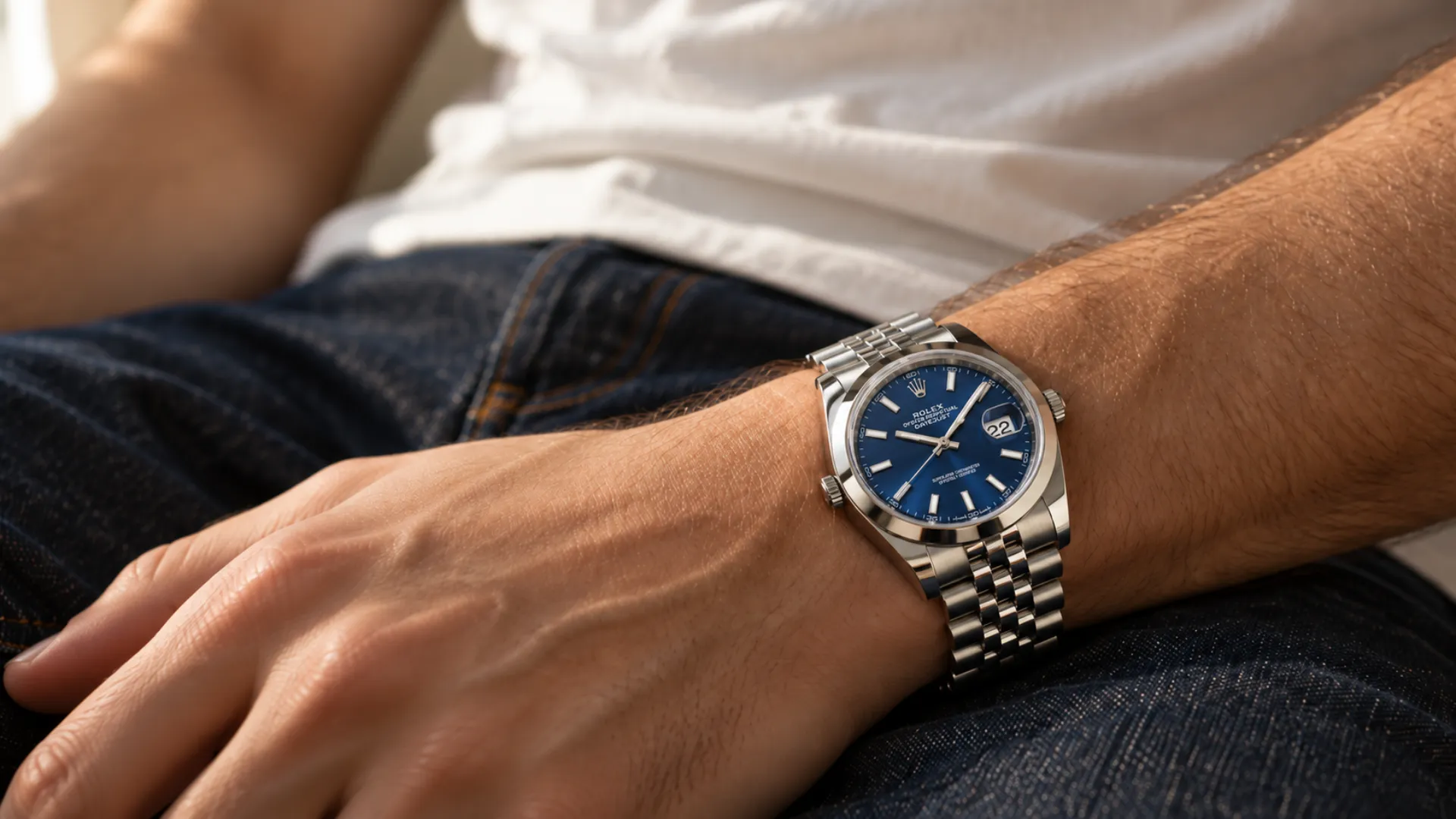
A full service on a Rolex often costs around US$800–US$1,200. For older or more complex Rolex models that require parts replacement, total repair cost may climb higher than that range.
Omega
Owner-shared averages for luxury Swiss automatic watches from Omega tend to cluster around US$700 per full service.
As with all brands, actual cost depends on movement complexity and whether additional parts or repairs are required.
Seiko and Grand Seiko
For basic Seiko/Grand Seiko movements, smaller independent watchmakers often quote around US$150–US$300 for a standard automatic service.
More complicated or higher-end Grand Seiko calibers trend higher depending on parts and servicing needs.
TAG Heuer
Official public service-price lists show that for mechanical automatics, TAG Heuer’s complete service rates (in certain markets) are significantly higher than entry-level watches.
For those automatic models serviced by independent watchmakers rather than official centers, repair costs may be lower. But prices vary widely depending on watch condition and required parts.
Tissot, Longines, and Other Swatch Group Automatics
As part of the more accessible segment of Swiss watches, routine servicing on Swatch Group automatics is often more budget-friendly. Owner reports and smaller service shops frequently list values around US$200–US$400 depending on condition and whether parts are needed.
Because these movements are widely used and parts are typically available, unexpected parts-related price hikes tend to be less common compared with luxury or vintage brands.
Microbrand and Independent Automatic
For non-mainstream or smaller brands, independent watchmakers may quote lower labor rates, but parts availability can vary, which affects final cost. In many cases, basic automatic servicing falls in the US$150–US$350 range, similar to entry-level mainstream automatics.
If parts are unavailable or custom fabrication is required (especially for rare or boutique movements), repair costs can increase significantly.
Luxury brands, older models, and watches with limited parts supply may fall outside these ranges, so it is always best to request a detailed estimate before approving any repair.
What’s Included in a Regular Watch Service
A regular service focuses on restoring the movement so it runs smoothly and keeps time within its intended range. The goal is to prevent wear, maintain accuracy and catch small issues before they become expensive repairs. The items below are the main services typically included in a full movement overhaul.
Complete Disassembly and Ultrasonic Cleaning
The movement is fully taken apart so each part can be cleaned. Old oils dry out and trap dirt, which affects accuracy and increases wear. Ultrasonic cleaning removes these residues and gives the watchmaker a clean base to work with. This makes it easier to inspect components and prepare the movement for fresh lubrication and reassembly.
Inspection and Replacement of Worn Components
After cleaning, each part is inspected for wear or damage. Components that no longer function properly, such as worn gears or a tired mainspring, are replaced to restore reliability. This step helps prevent future issues and ensures the movement is in good condition before it is lubricated and regulated.
Fresh Lubrication of Automatic Module and Gear Train
The movement is reassembled with fresh lubricants at key friction points. Proper lubrication reduces wear, supports smooth winding, and helps maintain accurate timekeeping. Using the right oils in the right places is essential for long-term performance and protects the movement from unnecessary strain.
Regulation, Timing Tests, and Power-Reserve Checks
Once reassembled, the movement is adjusted for stable accuracy. The watch is tested in several positions to confirm consistent performance. Timing machines measure how well the movement runs, and the power reserve is checked to ensure it stores and releases energy correctly.
Gasket Replacement and Water-Resistance Testing
Gaskets are replaced to restore proper sealing. After the case is closed, the watch is pressure tested to confirm its water-resistance rating. This protects the movement from moisture, condensation and dust, which can cause significant damage over time.
Optional Case and Bracelet Refinishing
Refinishing is an optional cosmetic service that removes light scratches and refreshes polished or brushed surfaces. It does not affect the movement but improves overall appearance. Because it requires careful work, it is usually billed separately.

Additional Costs to Expect
Some repairs require additional parts or labor beyond a standard service. These extra costs usually depend on the watch’s condition and how much wear has built up over time.
- Replacement of worn crown, stem or tube: These parts affect winding and water resistance. If worn, they often need replacement to restore proper function and sealing.
- New rotor bearing, rotor axle or automatic bridge: When the winding system becomes noisy or stops charging the mainspring, worn rotor components may need to be replaced.
- Crystal replacement (sapphire, mineral or acrylic): Cracked or heavily scratched crystals must be replaced. Sapphire is the most durable but also the most expensive to fit.
- Bezel, click spring or gasket set replacement: External components that wear out or lose tension can affect usability and water resistance, adding to the overall repair bill.
- Dial or hand restoration on older automatic watches: Fading, corrosion or damage on vintage dials and hands often requires careful restoration, which increases cost.
- Sourcing rare or discontinued parts for vintage movements: Vintage repairs can become expensive when the watchmaker must locate donor movements or fabricate unavailable parts.
How Often to Service an Automatic Watch?
Most automatic watches should be serviced every four to seven years, but the ideal interval depends on how often the watch is worn and the conditions it is exposed to. Regular servicing keeps oils fresh and prevents unnecessary wear on the movement.
If a watch begins losing time, shows moisture under the crystal, has a weak power reserve or feels rough when winding, it likely needs attention sooner. Staying consistent with service helps avoid costly repairs that come from letting parts run dry or wear down over time.
Key Takeaways on Automatic Watch Repair Cost
Understanding the automatic watch repair cost helps you plan for long-term ownership and avoid surprises when problems appear. Automatic movements rely on many interacting parts, and small issues can grow into expensive repairs if the watch is not serviced on time.
Staying consistent with maintenance, choosing qualified repair centers and addressing early signs of trouble can keep your watch running reliably for many years. The right care not only protects accuracy but also preserves the value and lifespan of the watch.
FAQs About Automatic Watch Repair Cost
Why is automatic watch repair more expensive than quartz repair?
Automatic watches have many more moving parts that require cleaning, lubrication and adjustment. Quartz watches use simpler systems with fewer components, so they are faster and cheaper to repair. The extra labor, specialized tools, and mechanical parts in an automatic movement naturally increase the overall repair cost.
How much does a full automatic overhaul usually cost?
Most automatic overhauls fall within US$250–US$700, depending on the brand, condition, and movement complexity. Luxury watches or models needing replacement parts can exceed this range. The overhaul includes cleaning, lubrication, regulation, and testing to restore the watch’s performance.
Is brand service always more expensive than an independent watchmaker?
Brand service is often more expensive because it uses factory parts, brand-specific equipment, and official testing standards. Independent watchmakers can be more affordable, but prices vary based on skill and parts availability. For many owners, independents offer strong value, while brand service provides the highest level of authenticity and documentation.
Why do automatic watch repairs sometimes cost more than expected?
Costs increase when hidden wear, corrosion, or past poor repairs are discovered after opening the case. Delayed servicing often leads to worn gears, damaged bearings, or weakened mainsprings, which require replacement rather than cleaning. Water damage or non-original parts can also add unexpected labor and material costs.