The Rolex Yacht-Master stands as a testament to the perfect fusion of luxury and functionality, designed specifically for yachting enthusiasts and those who appreciate the finer things in life. Since its debut in 1992, it has redefined what a luxury sports watch can be, offering timeless elegance alongside cutting-edge performance. With a variety of Yacht-Master models and configurations, the Rolex Yacht-Master appeals to a select group of individuals who seek unparalleled performance, making a statement both on and off the water.. In this Rolex Yacht-Master guide, we’ll dive into its rich history, unique features, and why it remains one of the Rolex most coveted models.
Complete History About the Rolex Yacht-Master
The Rolex Yacht-Master was first introduced in 1992 as a brand-new model, marking a significant departure from the Rolex previous focus on tool watches like the Submariner and Sea-Dweller. Unlike these iconic dive watches, the Yacht-Master was designed not only for practical use but also to cater to the luxury lifestyle associated with yachting. The aim was clear: to create a watch that could be worn comfortably in both high-society yacht clubs and during maritime activities.
The 1992 Debut: A Luxury Sports Watch
When the Yacht-Master debuted in 1992, it was a bold statement of luxury and sophistication. Rolex chose to position the model as a luxury sports watch rather than a pure tool watch. While the Submariner and Sea-Dweller were heavily focused on functionality for deep-sea divers, the Yacht-Master was designed for yachting enthusiasts who wanted a watch with strong maritime credentials that could double as a dress watch.
The first iteration of the Rolex Yacht-Master was crafted from solid 18-carat yellow gold, a material that immediately gave the watch a sense of exclusivity. Rolex also produced two size options for the initial launch: a 40mm version aimed at men, and a 29mm version designed for women. These two different sizes made the Yacht-Master accessible to a wider audience.
Key Design Features: A New Aesthetic for Rolex
One of the standout features of the early Yacht-Master models was the rotatable bezel, which was not only functional but designed with elegance in mind. It became an iconic part of the design, making the Yacht-Master easily recognizable. The bezel was initially crafted from 18-carat gold, creating a refined, polished look. Additionally, the Yacht-Master’s Oyster case ensured the watch is water-resistant and durable enough for maritime activities.
In terms of functionality, the Yacht-Master featured a self-winding movement that allowed wearers to rely on the precision and quality Rolex is known for. Despite its high-water-resistance, the watch was positioned as more of a lifestyle accessory rather than a deep-sea tool watch, catering to the yachting community and other affluent users.
Mid-90s Variations: Rolesor and Expanding the Line
The mid-1990s saw Rolex expand the Yacht-Master line with the introduction of Rolesor, which combined stainless steel and gold—a hallmark of the Rolex luxury collection. This new variation made the Yacht-Master more accessible, offering a blend of durability and luxury without the heft of solid gold. The Rolesor models made the Yacht-Master more versatile and allowed it to reach a broader audience, all while maintaining its luxurious appeal. The stainless steel models brought a modern, sophisticated touch to the Yacht-Master collection, with a timeless aesthetic that quickly became popular.
Late 1990s: Platinum and the Rise of Rolesium
By the late 1990s, the Yacht-Master had firmly established itself as an iconic model in the Rolex lineup, known for its blend of luxury, precision, and versatility. In 1999, Rolex introduced the platinum bezel version, which became an immediate hit. This new design was not only aesthetically striking but also a major technical innovation for Rolex. The bezel was made from platinum, a metal known for its durability and lustrous sheen. This made the Yacht-Master even more luxurious, and its platinum bezel (along with a steel case) was dubbed Rolesium, combining the beauty of platinum with the ruggedness of stainless steel.
The Rolesium version of the Yacht-Master became particularly famous, as it was an elegant alternative to the Submariner and other dive watches, while still offering strong water resistance. This version became highly sought after by collectors and fans of the brand, securing the Yacht-Master’s place in the luxury sports watch market.
2015: The Introduction of the Everose Gold and Oysterflex Bracelet
A major turning point in the Yacht-Master’s history occurred in 2015, when Rolex introduced the Oysterflex rubber bracelet with the Yacht-Master 40. This was the first time that Rolex used a rubber strap on one of their iconic models. The Oysterflex was a major innovation – it combined a metal core, making it both highly durable and comfortable, with a rubber outer layer that offered flexibility and comfort during wear.
This innovation made the Yacht-Master even more appealing to those who wanted a sporty, luxurious watch that could handle the rigors of yachting, while still being enough to wear on land. The Oysterflex bracelet provided the flexibility and comfort of rubber without sacrificing the luxury aesthetic that Rolex was known for.
2019: Introduction of the Yacht-Master 42
Rolex introduced the Yacht-Master 42 (Reference 226659), the first model with a 42mm case size, crafted in 18k white gold with a matte black Cerachrom bezel.
2021: Introduction of the Yacht-Master 37 with Caliber 3235
Rolex introduced the Yacht-Master 37 (Reference 126621), featuring a 37mm case and powered by the new-generation Caliber 3235 movement, offering an increased power reserve of 72 hours.
Throughout its history, the Rolex Yacht-Master has evolved to incorporate new materials, movements, and designs, maintaining its status as a luxury sports watch that combines functionality with elegance.
Functions and Features of the Rolex Yacht-Master
The Rolex Yacht-Master features a unique set of functions designed specifically for yachting, but these functions have a broad appeal beyond maritime activities.
Graduated Bidirectional Rotatable Bezel
The most notable feature of the Yacht-Master is its 60-minute graduated bezel. The bezel’s raised, polished numerals allow wearers to easily calculate elapsed time, which is crucial for sailing races and other water sports. It’s bidirectional, meaning it can be rotated both clockwise and counterclockwise, providing greater flexibility in its use.
Water Resistance
The Yacht-Master is water-resistant up to 100 meters (330 feet), making it suitable for water sports like sailing, swimming, and snorkeling. While not intended for deep-sea diving, this water resistance offers protection in a wide range of nautical activities.
Superlative Chronometer Certification
Like all Rolex watches, the Yacht-Master is a certified chronometer, meaning it has passed the Rolex testing for precision, power reserve, and overall performance. It ensures that the watch runs within a few seconds per day and offers an exceptional level of timekeeping accuracy.
Oyster Case
The Rolex Yacht-Master is equipped with the Oyster case, known for its robustness and waterproof qualities. It protects the movement from environmental factors, ensuring the watch remains precise and functional no matter the conditions.
Materials
Available in a variety of metals, the Yacht-Master is offered in Oystersteel, Everose gold, platinum, and the unique Rolesium (a combination of steel and platinum). This variety allows wearers to choose between durability, luxury, or a mix of both, depending on their preference.
Platinum Bezel
Many versions of the Yacht-Master feature a platinum bezel, which is made of a solid piece of metal and has been treated with a sandblasted finish for a more refined look. The contrast between the polished numerals and the matte finish gives the watch a unique aesthetic appeal.
Oysterflex Bracelet
Introduced in 2015, the Oysterflex bracelet is a flexible rubber bracelet with a titanium-nickel alloy core. It combines the strength of a metal bracelet with the comfort of a rubber strap, providing a sporty yet elegant look.
Date Display
Some versions of the Yacht-Master feature a date display at the 3 o’clock position, magnified by the signature Cyclops lens.
Movement
The Yacht-Master is powered by either the Rolex Caliber 2236 or 3235, depending on the model. These self-winding mechanical movements are known for their precision, reliability, and power reserves, which range from 55 hours to 70 hours.
Famous Rolex Yacht-Master Variations
The Rolex Yacht-Master collection has become known for its variety in size, material, and design, offering models suitable for both active use and elegant wear. The collection includes different variations that cater to various tastes, from more compact models to those featuring the latest in innovative materials and luxurious designs. Below are some of the most famous and notable Rolex Yacht-Master variations:
1. Rolex Yacht-Master 37mm (Reference 168622)
Introduced as a more compact option, the Rolex Yacht-Master 37mm offers a slightly smaller case size, appealing to those who prefer a more delicate or refined fit on the wrist. This model is particularly popular among women, though many men also appreciate its compact design. It often comes in a stainless steel and platinum (Rolesium) configuration, offering both durability and luxury. The model is typically paired with dials in rhodium (a silver-tone color) or turquoise, creating a striking contrast with the platinum bezel. This combination of materials and dials gives the 37mm Yacht-Master a timeless, versatile appeal.
Key Features:
Size: 37mm, compact and elegant
Material: Stainless steel with a platinum bezel (Rolesium)
Dial Options: Rhodium or turquoise
Water Resistance: 100 meters, ideal for both land and maritime activities
Ideal For: Those who seek a refined, smaller version of the Yacht-Master
2. Rolex Yacht-Master 40mm (Reference 116622)
The Rolex Yacht-Master 40mm is arguably the most popular size in the Yacht-Master collection, balancing the best of both worlds—luxury and practicality. This model is available in a variety of configurations, including stainless steel, Everose gold, platinum, and a combination of these materials. The steel and platinum (Rolesium) version is especially popular, as it offers a sleek, stylish look with a more affordable price point than gold versions. The Yacht-Master 40mm can be paired with a variety of dial colors, such as blue, rhodium, or black, making it an incredibly versatile watch that fits any occasion—whether worn casually or formally.
Key Features:
Size: 40mm, perfect for most wrist sizes
Material: Stainless steel, Everose gold, platinum, and combinations of these metals
Dial Options: Blue, rhodium, black, among others
Water Resistance: 100 meters, suitable for both sports and formal wear
Ideal For: Those looking for a versatile luxury watch for everyday use
3. Rolex Yacht-Master 42mm (Reference 226659)
The Yacht-Master 42mm is the largest in the standard series and was introduced in 2019 to cater to those who prefer a larger, bolder timepiece. This model is primarily made from 18k white gold and features a black dial with contrasting white hands and indices, making it incredibly legible. The addition of the Oysterflex bracelet, a robust rubber strap, enhances the sporty yet luxurious aesthetic of this model, offering both comfort and durability. The larger case size and striking dial design have made the Yacht-Master 42mm a popular choice for collectors looking for something both refined and attention-grabbing.
Key Features:
Size: 42mm, the largest in the standard Yacht-Master collection
Material: 18k white gold, with a black dial
Bracelet: Oysterflex rubber bracelet
Water Resistance: 100 meters, versatile for both formal and athletic wear
Ideal For: Those who appreciate a larger, bolder luxury sports watch
4. Rolex Yacht-Master 40mm with Oysterflex Bracelet (Reference 116655)
First introduced in 2015, the Yacht-Master 40mm with the Oysterflex bracelet is a standout in the collection due to its combination of a luxurious Everose gold case with a rubber strap. The Oysterflex bracelet features a metal core, making it not only more comfortable than traditional metal bracelets but also incredibly durable. The Everose gold gives the watch an elegant look, while the rubber bracelet adds a sporty and modern twist, making it suitable for both formal occasions and active wear. This model has become highly sought after due to its versatility and the innovative use of the Oysterflex bracelet.
Key Features:
Size: 40mm, the standard size for many Yacht-Master enthusiasts
Material: Everose gold, combined with the Oysterflex rubber bracelet
Dial Options: Black dial with Everose gold markers
Water Resistance: 100 meters, ideal for various environments
Ideal For: Those who want a blend of luxury and sportiness, with the latest in strap innovation
5. Rolex Yacht-Master II (Reference 116680)
The Rolex Yacht-Master II is a more specialized version of the Yacht-Master, introduced in 2007. Designed specifically for professional sailors and regatta enthusiasts, this model features a programmable countdown timer that can be adjusted to different regatta start times. This feature makes it a highly functional watch for those involved in yacht racing, where precision timing is critical. The Yacht-Master II is typically larger than its counterparts, with a 44mm case, and is available in a variety of materials including stainless steel, white gold, and Everose gold. The Yacht-Master II is also known for its striking rotating bezel and distinctive blue dial.
Key Features:
Size: 44mm, larger than the standard Yacht-Master models
Material: Stainless steel, white gold, and Everose gold
Special Feature: Programmable countdown timer for regatta use
Dial Options: Blue dial with contrasting hands and numerals
Water Resistance: 100 meters, suitable for both regatta use and everyday wear
Ideal For: Professional sailors or those with a keen interest in yacht racing
Rolex Yacht-Master vs. Other Rolex Models
The Rolex Yacht-Master offers a luxurious take on the world of sports watches, but as with all Rolex models, it carries the brand’s signature precision and durability. While it shares certain features with other Rolex models, its design, materials, and intended use set it apart. Here’s how the Yacht-Master compares to some other notable models in the Rolex collection:
Versus Rolex Submariner
The Rolex Submariner is one of the most iconic dive watches in the world, known for its robust design and extreme water resistance. While both the Yacht-Master and Submariner share certain aesthetic similarities, particularly the rotatable bezel, they cater to different needs and audiences.
Key Differences:
Water Resistance: The Submariner boasts an impressive 300-meter water resistance, making it suitable for professional divers. The Yacht-Master, on the other hand, offers 100 meters of water resistance, which, while still substantial, is more suited for general maritime use and leisure sailing.
Bezel: The Submariner features a rotatable bezel with a 60-minute scale designed specifically for tracking dive times, whereas the Yacht-Master uses a bidirectional bezel designed for measuring elapsed time during water sports, such as regattas. The Yacht-Master’s bezel is also more refined in its design, adding an element of luxury.
Design & Build: The Submariner is typically regarded as more utilitarian and rugged, with a thicker case and a more utilitarian aesthetic designed to withstand the extreme pressures of deep-sea diving. The Yacht-Master is sleeker, with a more elegant, dressy design that balances performance with sophistication.
Target Audience: The Submariner is aimed at divers and water sports enthusiasts, whereas the Yacht-Master appeals to those seeking a luxury sports watch that can transition seamlessly from yacht racing to casual wear in upscale environments.
Versus Rolex Sea-Dweller
The Rolex Sea-Dweller is another tool watch that takes the professional diver to new depths, offering even more extreme water resistance than the Submariner. While the Sea-Dweller is primarily focused on deep-sea exploration, the Yacht-Master is built for more general maritime activities, combining practicality with luxury.
Key Differences:
Water Resistance: The Sea-Dweller offers a water resistance of 1,220 meters (4,000 feet), making it ideal for professional deep-sea divers. In contrast, the Yacht-Master is water-resistant only to 100 meters, more than adequate for regular sailing and leisure activities, but not designed for the extreme conditions of deep-sea exploration.
Bezel: The Sea-Dweller features a rotatable bezel with a 60-minute scale, similar to the Submariner, intended for dive time tracking. The Yacht-Master’s bidirectional bezel allows for elapsed time tracking, making it more suitable for general water sports and yachting rather than deep-water navigation.
Design & Build: The Sea-Dweller is bulkier, with a more rugged build and a thicker case, making it more suited for the harsh conditions of deep diving. The Yacht-Master, by contrast, has a more elegant and streamlined appearance, designed to be worn as much as a luxury accessory as a functional maritime tool.
Target Audience: The Sea-Dweller is targeted at professional divers and those requiring equipment for extreme underwater environments, while the Yacht-Master appeals to individuals in yachting, luxury leisure activities, and general maritime use.
Versus Rolex GMT-Master II
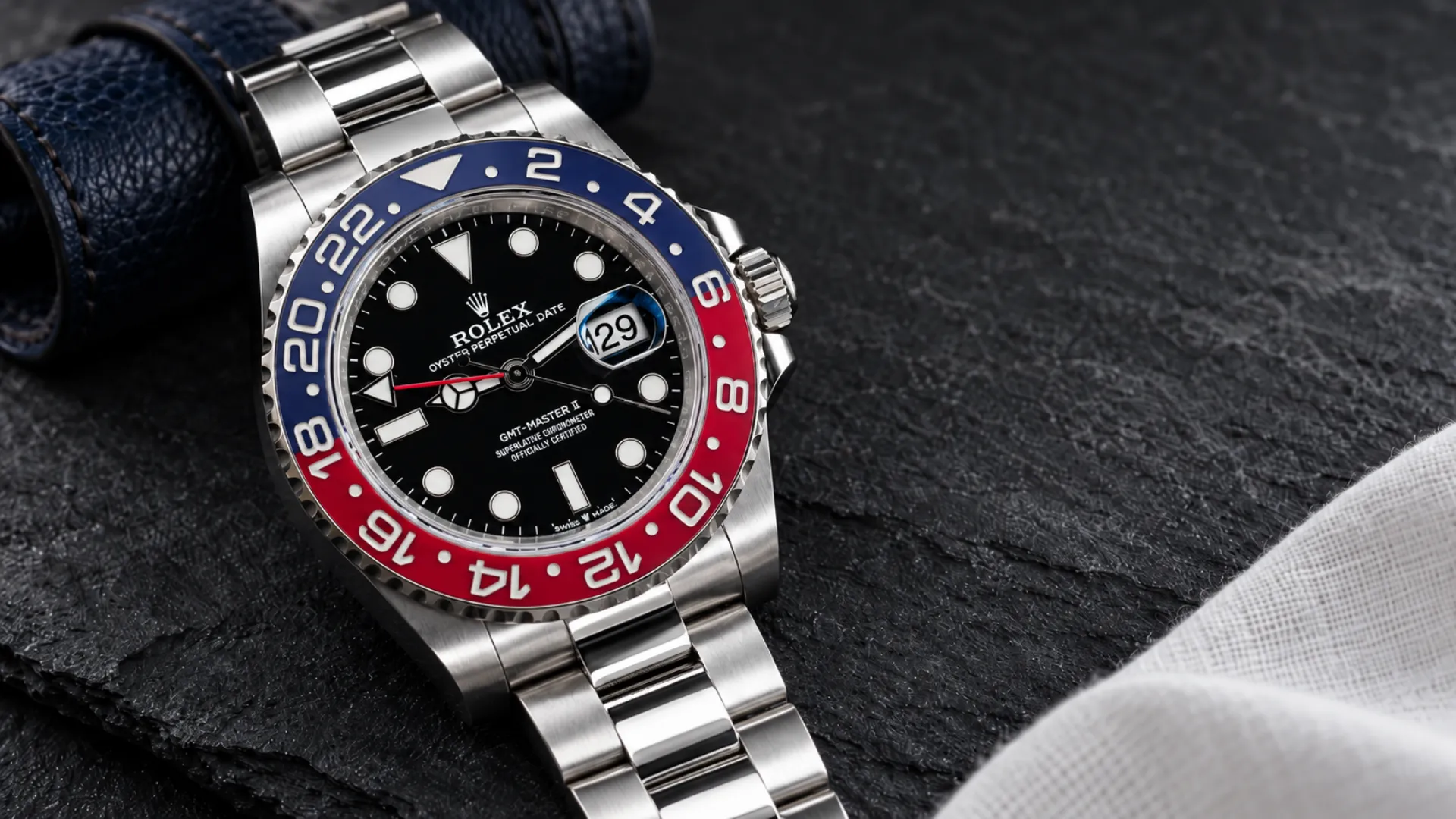
The Rolex GMT-Master II is another high-performance model, but instead of focusing on water sports, it is designed for travelers, allowing wearers to track multiple time zones simultaneously. While both models feature a rotatable bezel, their intended functions and target audiences differ significantly.
Key Differences:
Functionality: The GMT-Master II is designed with travelers in mind, offering the ability to track multiple time zones at once. It has a 24-hour bezel and dual-time zone functionality, making it ideal for globetrotters. The Yacht-Master, on the other hand, features a bidirectional bezel designed for tracking elapsed time during water sports or yachting.
Bezel: The GMT-Master II features a rotatable 24-hour bezel, allowing users to track a second time zone in addition to the local time. The Yacht-Master features a rotatable 60-minute bezel for elapsed time tracking, focused on timing events such as regattas or races.
Design & Build: The GMT-Master II is slightly more angular and robust, reflecting its tool-watch roots as a travel companion. The Yacht-Master is designed with a more refined and elegant appearance, making it as appropriate for a yacht club as it is for a casual evening out.
Target Audience: The GMT-Master II appeals to travelers, business professionals, and aviators who need to track multiple time zones, while the Yacht-Master is aimed at those involved in maritime activities, such as yachting or luxury water sports, who also appreciate a stylish, versatile design.
Rolex Yacht-Master vs. Other Luxury Brands
The Rolex Yacht-Master competes with several prestigious luxury brands offering high-performance sports watches. While the Yacht-Master is known for its luxurious blend of style and functionality, other brands like Omega, Audemars Piguet, and Patek Philippe have their own versions of sophisticated sports watches. Below is a comparison of the Rolex Yacht-Master with these competitors:
Versus Omega Seamaster Diver 600M
The Omega Seamaster Diver 600M is a robust, high-performance dive watch that offers incredible water resistance and is designed for professional divers. While both watches are suitable for water-related activities, the Seamaster focuses more on diving performance, whereas the Yacht-Master leans toward luxury and versatility for both land and sea adventures.
Key Differences:
Water Resistance: The Seamaster Diver 600M offers impressive water resistance of up to 600 meters, making it suitable for deep-sea diving. The Yacht-Master, on the other hand, offers a 100-meter water resistance, which is adequate for recreational water sports but not designed for extreme diving.
Design Focus: The Seamaster has a more utilitarian design with a focus on ruggedness and functionality, particularly suited for divers. It includes features like a rotatable bezel for tracking dive times. In contrast, the Yacht-Master offers a more elegant, polished look, with luxurious materials like Everose gold and platinum, making it a more refined and versatile option for both active wear and upscale occasions.
Versus Audemars Piguet Royal Oak Offshore Diver
The Audemars Piguet Royal Oak Offshore Diver is a rugged and luxurious dive watch known for its bold, striking design and exceptional craftsmanship. Like the Yacht-Master, the Royal Oak Offshore Diver is aimed at high-end customers, but it has a distinctly different aesthetic and focuses more on durability and sport.
Key Differences:
Water Resistance: The Royal Oak Offshore Diver offers water resistance up to 300 meters, which is significantly better than the Yacht-Master’s 100 meters. While both are functional for water-related activities, the Royal Oak Offshore Diver is more suited for professional divers.
Design Focus: The Royal Oak Offshore Diver has a more rugged, bold design with its iconic octagonal bezel and aggressive lines. It leans heavily into the “tool watch” category, with a focus on sportiness and durability. The Yacht-Master, however, combines luxury and sports functionality with a more polished, versatile look that can easily transition from active wear to formal events.
Target Audience: The Royal Oak Offshore Diver is aimed at individuals who want a high-performance watch with a bold aesthetic and strong sports heritage. In contrast, the Yacht-Master appeals to those seeking a more sophisticated luxury timepiece that combines practicality with an elegant design, making it suitable for both water sports and social events.
Versus Patek Philippe Aquanaut
The Patek Philippe Aquanaut is another luxury sports watch with a sleek, modern design and a similar focus on versatility. While it shares the Yacht-Master’s elegant yet sporty aesthetic, the Aquanaut is known for its distinctive design and high-end craftsmanship, aimed at a different type of luxury consumer.
Key Differences:
Design Focus: The Aquanaut has a more minimalist, modern look with its signature integrated bracelet and distinctive octagonal bezel, while the Yacht-Master has a more refined, traditional design with polished finishes and luxurious materials like platinum and Everose gold. The Aquanaut offers a sportier, more understated look compared to the Yacht-Master’s blend of luxury and performance.
Materials & Versatility: The Yacht-Master offers a broader range of materials, including platinum and Everose gold, which give it a more polished and versatile aesthetic. The Aquanaut is available primarily in stainless steel with a unique rubber strap, offering a more contemporary and understated look.
Price Point: The Patek Philippe Aquanaut tends to be more expensive than the Rolex Yacht-Master, due to Patek Philippe’s reputation for high-end watchmaking and the exclusivity of its pieces. However, the Yacht-Master is still regarded as a luxury timepiece and carries significant prestige in the watch community.
Rolex Yacht-Master Price Guide: What You Can Expect to Pay
The price of the Rolex Yacht-Master varies depending on factors such as material, model size, and specific features. Below is a breakdown of the price range you can expect to pay for different Rolex Yacht-Master models:
Stainless Steel Models
Stainless steel models are the most common and affordable options in the Yacht-Master lineup, offering versatility and a sleek design that suits various occasions.
Rolex Yacht-Master 37mm (Stainless Steel)
Price Range: $10,000 to $15,000
This model typically features Rolesium, a combination of stainless steel and platinum. It appeals to those looking for a luxury piece with a compact design that remains elegant without compromising durability. The price variation depends on the dial material, with rhodium or turquoise options being popular.
Rolex Yacht-Master 40mm (Stainless Steel)
Price Range: Starting at $12,000 for stainless steel models
This size is the most popular and versatile in the Yacht-Master collection. The stainless steel versions offer a blend of luxury and functionality at a more accessible price point, making it an excellent option for those looking for a refined yet sporty design.
Gold & Platinum Models
Models crafted from gold or platinum are more luxurious and come with a higher price tag due to the premium materials used.
Rolex Yacht-Master 40mm (Everose Gold/Platinum)
Price Range: $15,000 to $25,000
This model offers a more elegant appeal, with options like Everose gold and platinum. These models provide a more refined aesthetic, making them popular choices for those who want a high-end sports watch that can double as formal wear.
Rolex Yacht-Master 42mm (18k White Gold)
Price Range: $20,000 to $30,000
The Yacht-Master 42 is one of the larger models in the collection, typically crafted from 18k white gold. The inclusion of the Oysterflex rubber bracelet enhances the sporty yet luxurious look of this model, making it perfect for those who want a standout piece that combines elegance with comfort and performance.
Specialized Models
The Yacht-Master II is a more specialized model designed for regatta enthusiasts, offering a countdown timer that sets it apart from other models.
Rolex Yacht-Master II (Stainless Steel and Everose Gold/White Gold)
Price Range: $18,000 to $40,000
The Yacht-Master II is highly specialized, with a larger 44mm case and a unique programmable countdown timer, which appeals to professional sailors and those involved in regattas. Prices vary depending on the material, with stainless steel models being more affordable, while gold versions (Everose or white gold) can cost upwards of $40,000.
The Luxury Watch That Defines Exclusivity
As with all Rolex watches, the Yacht-Master carries significant social status and exclusivity. For individuals who value luxury and prestige, wearing a Yacht-Master is not only about telling time but also about showcasing one’s success. The watch signals that the wearer is part of a select group of individuals who are not just affluent but also enjoy an exclusive, high-class lifestyle. Whether worn in a yachting context or at high-profile events, the Yacht-Master serves as a status symbol for individuals who want to be recognized for their achievements and their aspirational lifestyle.