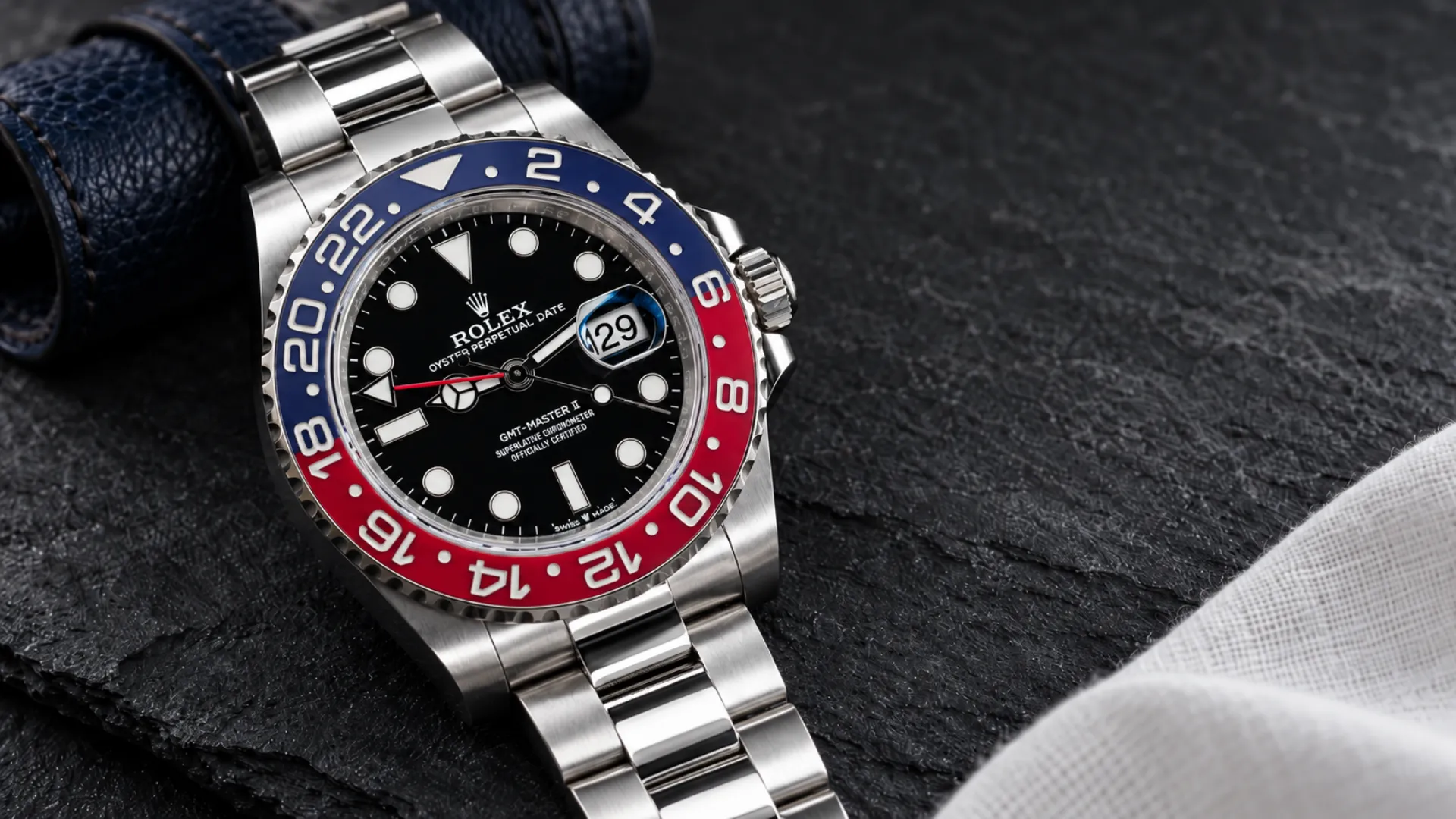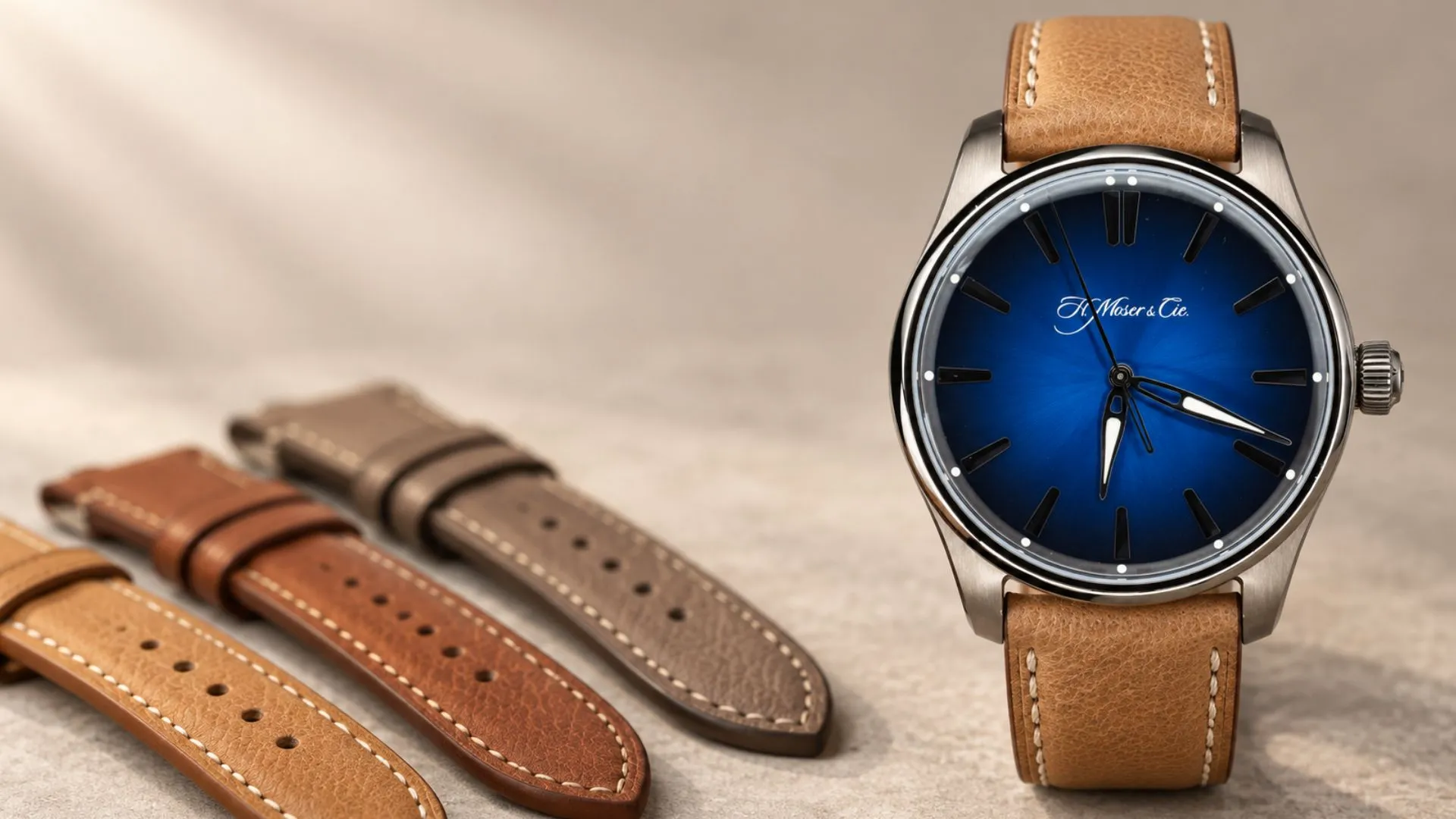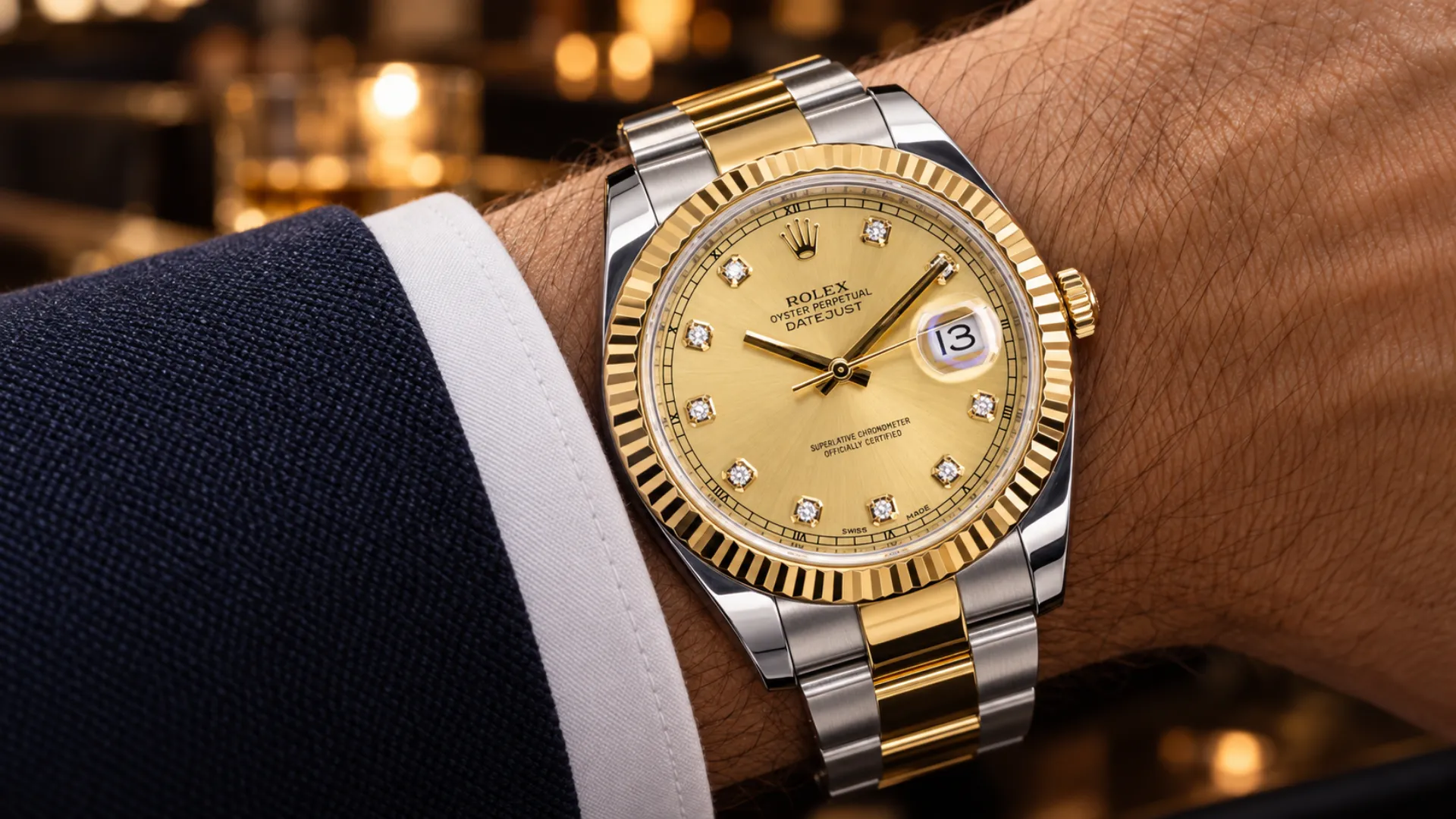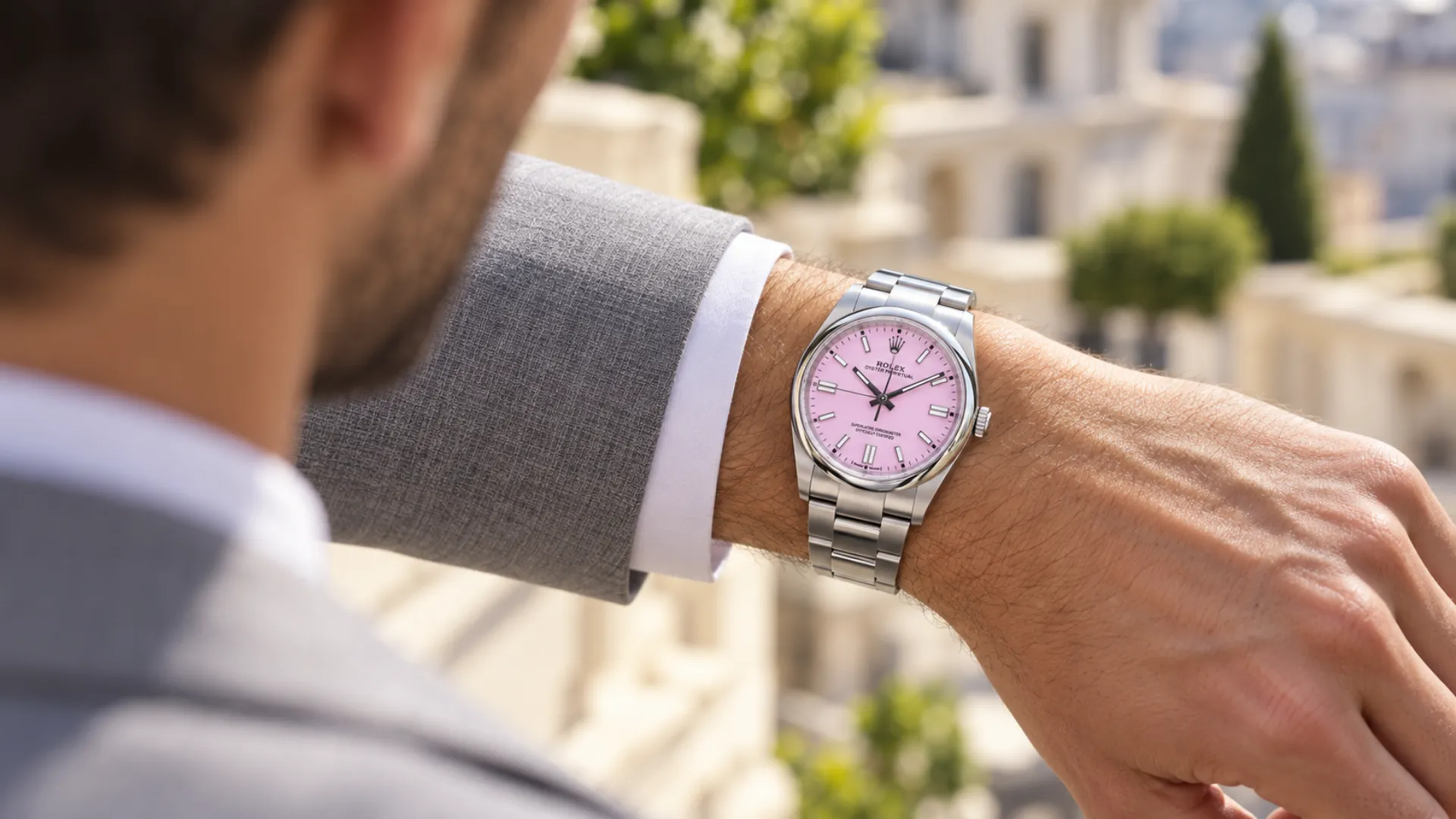
Platinum stands as one of the most prestigious materials in luxury watchmaking, valued for its dense weight, brilliant silver-white shine, and unmistakable presence on the wrist. Its unique combination of softness and high luster makes it prone to micro-scratches that can accumulate over time.
Knowing how to avoid scratches on a platinum watch requires more than careful handling; it demands technical knowledge, mindful daily habits, and professional maintenance. In this article, you’ll discover practical practices to prevent scratches and keep your platinum timepiece looking flawless.
What Is Platinum as a Watch Material?
Platinum is a rare, high-purity metal used in luxury watches by brands like Rolex, Patek Philippe, and Audemars Piguet. Its density is higher than gold and stainless steel, giving watches a substantial, weighty feel, but this same density increases friction when it contacts surfaces.
With a Mohs hardness of approximately 4 to 4.5, platinum is softer than gold (~2.5 – 3) and stainless steel (~5–6), making it more susceptible to scratches from everyday wear. Over time, platinum develops a natural patina, which subtly changes its surface texture and highlights the metal’s authenticity and character.
- Mohs hardness: ~4–4.5, softer than gold or steel, meaning it deforms rather than chips under pressure.
- High density: adds weight, which increases friction and the risk of micro-abrasions during contact.
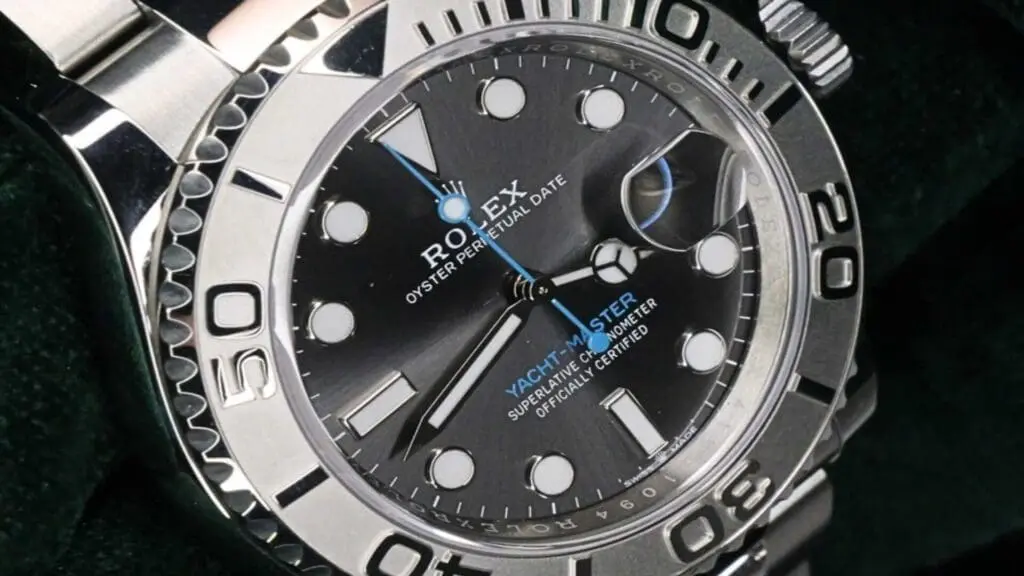
- Polished vs brushed finishes: highly polished surfaces show scratches easily, while brushed finishes hide minor marks and maintain a refined appearance.
What Causes Scratches on Your Platinum Watch
Platinum’s softness makes it highly susceptible to scratches, even from everyday contact. Its dense weight means that minor friction during regular wear can leave tiny marks that gradually accumulate, affecting the watch’s pristine appearance. Understanding the common causes of these scratches helps you take targeted steps to protect your timepiece.
1. Daily Wear and Contact: Simple actions like brushing against doors, desks, tables, seatbelts, or bags can create micro-abrasions. Even minor desk friction over weeks can leave visible lines on polished surfaces.
2. Metal on Clothing: Zippers, buttons, and jewelry hardware can scrape the case or bracelet. For example, leaning against a denim jacket with metal snaps may leave faint scratches on a polished platinum bezel.
3. Improper Cleaning: Using abrasive cloths, harsh chemicals, or toothbrushes can damage the surface. Even a seemingly gentle scrub with a standard bristle brush can leave micro-marks on the soft platinum.
4. Accidental Impacts: Bumping your watch against furniture edges, car doors, or tools can create deeper gouges that require professional attention. A quick knock on a countertop can leave a subtle but noticeable scratch over time.
5. Environmental Factors: Dust, sand, and grit particles can act like tiny sandpaper on your watch’s surface. Wearing your watch outdoors in dusty conditions without wiping it down increases the risk of micro-abrasions.
6. Handling by Others: Band adjustments or case handling by untrained hands can leave scratches, especially if tools slip or pressure is applied unevenly. Even authorized strap changes done without care may leave marks on a soft platinum surface.
Habits to Protect Your Platinum Watch From Scratches
Preventing scratches on your platinum watch requires a combination of mindful wearing, careful cleaning, and using the right protective strategies. By adopting simple daily habits, you can significantly reduce the risk of micro-abrasions and preserve the watch’s finish for years. Consistency in these routines matters as much as the tools and techniques you use.
1. Wear Snugly
A platinum watch should fit comfortably on your wrist. Wearing it too loosely increases movement, causing the bracelet or case to rub against surfaces, while excessive tightness can create stress points on the metal. Aim for a secure fit that allows slight movement but keeps the watch stable.
2. Remove During High-Impact Tasks
Activities like sports, DIY projects, or heavy lifting can easily damage your watch. Even brief contact with hard surfaces or tools may leave visible scratches. Removing your watch during these activities helps protect the delicate platinum surface and preserves its refined finish over time.
3. Clean Gently
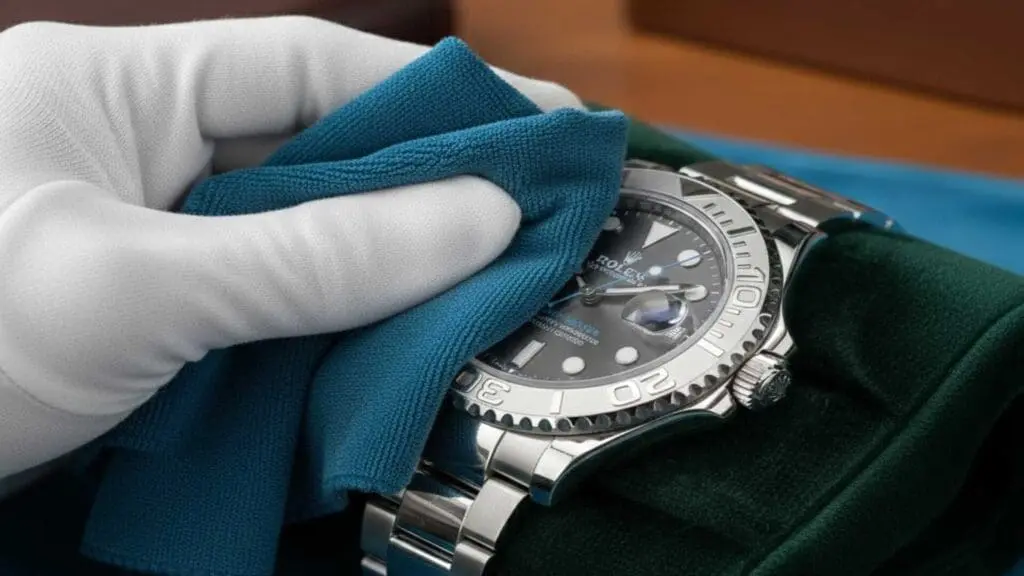
Use only a soft microfiber cloth to wipe your watch. Avoid abrasive materials or chemical cleaners that can damage the metal or alter its patina. Regular gentle cleaning prevents dust and dirt from acting like tiny abrasives on the surface.
4. Alternate Your Watches Regularly
If you own multiple luxury watches, rotate them regularly. Constantly wearing a single platinum watch exposes it to repeated friction in the same areas, accelerating wear. Rotation distributes contact and preserves the overall condition of each timepiece.
5. Store Properly
When not in use, store your platinum watch in a dedicated watch box or pouch with a soft interior. This prevents accidental contact with other jewelry or hard surfaces that could scratch the metal.
6. Avoid Contact With Harsh Chemicals
Platinum is durable, but exposure to chemicals like cleaning agents, perfumes, or chlorine can dull its finish over time. Remove your watch before swimming, cleaning, or applying lotions and sprays.
7. Schedule Professional Maintenance
Regular professional servicing keeps your watch in top condition. Jewelers can polish minor scratches safely and check for any loose components, helping maintain the watch’s aesthetic and functional quality.
8. Be Mindful of Surroundings
Even day-to-day activities like leaning on tables, opening doors, or brushing against rough surfaces can scratch your watch. Developing awareness of how you interact with objects while wearing your platinum timepiece reduces accidental damage.
Micro-Scratches vs Deep Gouges
Platinum watches are prone to both micro-scratches and deeper gouges, and knowing the difference is essential for proper care. Micro-scratches are surface-level marks that develop gradually from daily wear, often forming a subtle patina that can enhance the metal’s character. Deep gouges, however, occur from more forceful impacts or accidents and can compromise the integrity of the metal if not addressed correctly.
Identifying the type of damage helps determine whether gentle at-home care is sufficient or professional intervention is required.
- Micro-scratches: Superficial, barely visible marks that develop naturally over time and usually do not affect the structure of the watch.
- Deep gouges: Penetrate the metal and require professional polishing or refinishing; DIY methods can worsen the damage.
Tips for detection: Examine your watch under natural light and from angled views to accurately assess the depth and location of scratches.
Expert Tips for Luxury Watch Collectors
Even with careful daily habits, experienced collectors know that protecting a platinum watch requires advanced strategies beyond basic care. Implementing these expert practices can help you preserve the watch’s finish, maintain its value, and prevent avoidable damage over time.
- Limit contact with harder metals such as diamond jewelry, tungsten rings, or other dense accessories that can leave marks on platinum surfaces.
- Accept the natural patina of platinum; over-polishing can reduce both the aesthetic appeal and long-term value of your watch.
- Avoid exposure to harsh chemicals and household cleaning products that can subtly affect the alloy or alter the metal’s finish.
- Remove your watch during high-risk activities, including sports, DIY projects, or moving heavy objects, to prevent accidental impacts.
- Educate anyone handling your watch on safe techniques to minimize scratches or mishandling.
Dealing With Scratches on a Platinum Watch
Scratches on a platinum watch are sometimes unavoidable, but knowing how to respond correctly can prevent further damage and keep your timepiece in optimal condition.
Understanding the type and severity of the scratch helps you decide whether gentle at-home care is sufficient or professional service is necessary.
1. Scratch Depth: Examine the watch under natural light to distinguish between superficial micro-scratches and deeper gouges that require professional attention.
2. Micro-Scratches: Light surface marks can often be gently buffed with a soft cloth or during routine service by an authorized watchmaker.
3. Deep Scratches: These penetrate the metal and need professional polishing or refinishing to restore the surface properly.
4. DIY Chemical Polishes: Using harsh compounds can damage the platinum alloy, remove too much material, and reduce the watch’s longevity and value.
Choosing the Strap
The type of bracelet or strap you choose can significantly impact how your platinum watch wears over time. Selecting the right option helps reduce friction, minimize scratches, and maintain the watch’s overall condition while matching your style and activity needs.
- Platinum Bracelet: Offers a seamless aesthetic with the watch case but can transfer scratches if the links are loose or the bracelet moves excessively.
- Leather Strap: Softer on surfaces, it reduces direct contact with the case and avoids moisture buildup, making it ideal for formal wear or daily use.
- Rubber or Fabric Strap: Provides cushioning for the platinum case, perfect for travel, sports, or outdoor activities where impacts are more likely.
- Swap Straps for High-Risk Activities: Changing to a protective strap during physical work or sports minimizes exposure to potential scratches and preserves the platinum finish.
Best Protective Accessories for Your Platinum Watch

Using specialized accessories can make a big difference in protecting your platinum watch from scratches and wear. The right tools reduce direct contact, minimize friction, and help maintain the watch’s finish while you wear or store it.
- Crystal Protectors: These thin, transparent shields attach directly over your sapphire crystal, preventing scratches from accidental bumps or contact with hard surfaces while keeping the dial fully visible.
- Platinum-Specific Bezel Guards: Designed to fit high-polish platinum bezels perfectly, these guards reduce micro-abrasions caused by daily friction or contact, helping maintain the watch’s smooth, reflective finish.
- Travel Sleeves & Pouches: Cushioned sleeves or pouches protect your watch during transport, reducing friction, weight pressure, and impact, which is particularly important for heavy platinum watches.
- Recommended Brands: Choose high-quality accessories from trusted names like Wolf, Bergeon, or Rolex-authorized options, ensuring precise fit, reliable protection, and long-term durability for your timepiece.
Closing Thoughts on How to Avoid Scratches on Your Platinum Watch
Taking care of your platinum watch goes beyond just careful wear; it’s about developing routines that fit seamlessly into your day. Pay attention to how you handle, store, and transport your timepiece, and don’t hesitate to use protective accessories even during casual wear. Keep your cleaning tools gentle and always inspect your watch under good lighting so you catch small marks before they become noticeable.
If you own more than one watch, alternate what you wear, and remind anyone who handles your watch to be mindful. With a little extra attention, your platinum watch can stay looking pristine for years to come.