
Have you ever wondered about the automatic watch service cost and why keeping an automatic watch running smoothly can cost more than you expect? A precision timepiece is more than just a way to tell time; it’s a complex machine with hundreds of tiny components working in perfect harmony.
Ignoring maintenance can lead to costly repairs, but knowing what affects service costs puts you in control. In this article, we’ll break down the real factors behind automatic watch service costs, helping you plan ahead and protect your investment.
What Determines Automatic Watch Service Cost
The cost of servicing an automatic watch depends on the watch’s movement, brand, age, case construction, and overall condition. Each factor directly affects the time, expertise, and parts required to perform a proper service.
When watchmakers assess a watch, they consider these elements carefully. Watches with more complex movements, rare parts, or advanced water resistance demand extra attention and resources. Here are the main factors that influence service costs:
Movement Complexity
Watches with advanced movements, such as chronographs, tourbillons, or perpetual calendars, require meticulous servicing. These mechanisms involve numerous tiny, interdependent components that must be disassembled, cleaned, lubricated, and carefully reassembled.
Even a minor misalignment can affect timekeeping accuracy. The higher the movement complexity, the longer the servicing process and the more skill required from the watchmaker.
Because of this, watches with sophisticated movements generally incur higher labor costs compared to simpler automatic or quartz models, reflecting the precision and expertise needed.
Brand and Parts Availability
The brand and availability of parts heavily influence service costs. Luxury or rare watches often use proprietary components that are difficult to source, making repairs more expensive.
Some parts may need to be specially ordered, fabricated, or imported, adding time and cost. Even standard maintenance can be pricier if components are scarce.
Watches from widely available brands usually have easier access to replacement parts, reducing service costs. High-end brands, however, often factor in both labor and parts scarcity, making maintenance a more significant investment.
Water Resistance Level and Case Construction
Watches designed for diving or with unique case materials require specialized handling. Seals, gaskets, and pressure-testing procedures are essential to maintain water resistance.
Cases made of titanium, ceramic, or coated metals need extra care to avoid damage during service. Unusual shapes or multi-piece constructions can complicate disassembly and reassembly, increasing the time needed.
Watches with enhanced water resistance or nonstandard materials demand both precision and expertise, which raises labor costs, but ensures the watch retains its durability, finish, and intended protective features.
Age of the Watch
Older watches often need careful attention due to wear and outdated mechanisms. Components may have worn over decades, lubricants can dry out, and some parts might no longer be manufactured.
Servicing vintage or discontinued models often requires sourcing rare parts or using specialized repair techniques. Handling delicate historical mechanisms takes more time and skill, increasing service costs.
While maintaining an older watch is more labor-intensive than servicing a modern piece, it ensures reliability, preserves historical value, and protects the watch’s longevity.
Wear, Damage, or Previous Poor Repairs
Watches with visible damage or previous incorrect repairs require extra work to restore performance. Scratches, dents, or mishandled parts complicate routine servicing. Internal damage, including bent components or misaligned gears, can necessitate replacing multiple parts.
Correcting past repair mistakes often involves additional disassembly, cleaning, and recalibration, which increases labor and parts costs. Ensuring the watch functions accurately and safely after such repairs is crucial. Watches with prior damage typically incur higher service costs than well-maintained timepieces due to the extra attention and care required.
How Much Does a Typical Automatic Watch Service Cost?
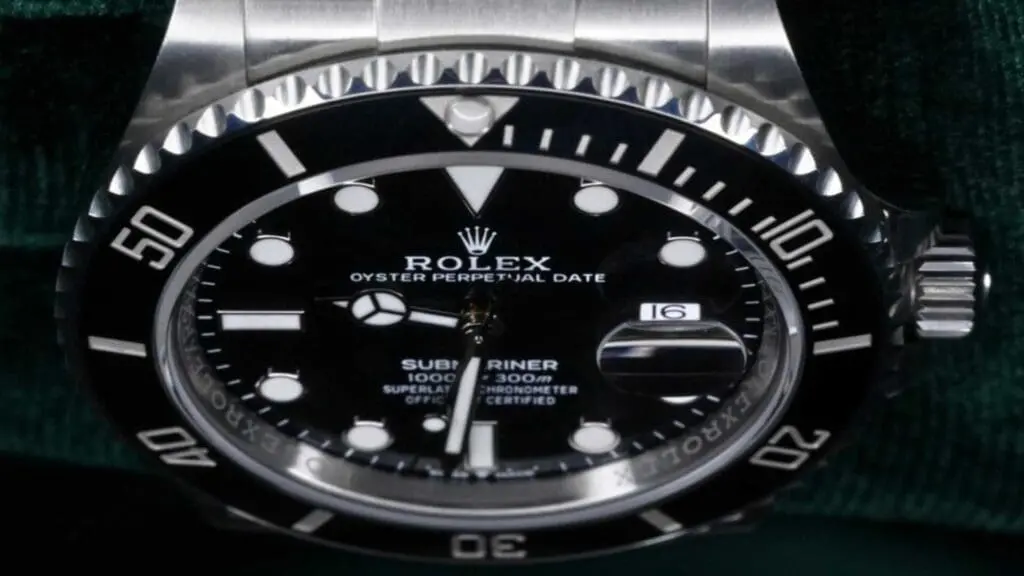
The cost of a typical automatic watch service varies depending on the movement type, brand, and service level. Standard mechanical watches, high-end Swiss brands, and complex movements all carry different price ranges. Understanding these ranges helps watch owners plan maintenance without surprises.
Watchmakers usually offer basic, standard, and full service levels, each including different tasks and costs.
| Service Level | Tasks Included | Typical Cost Range (USD) |
| Basic Service | Cleaning, lubrication, basic inspection | $100 – $300 |
| Standard Service | Full disassembly, cleaning, lubrication, timing check | $300 – $600 |
| Full/Comprehensive | Replacement of worn parts, polishing, water resistance testing | $600 – $1,200+ |
Cost by Movement Complexity
- Simple Mechanical Movements: $100 – $400
- Automatic Chronographs: $400 – $800
- High Complication Movements (Tourbillon, Perpetual Calendar): $1,000 – $3,000+
Cost by Brand and Model
- Entry-Level Swiss Brands (Tissot, Longines): $200 – $400
- Mid-Range Luxury (Omega, TAG Heuer): $400 – $800
- High-End Luxury (Rolex, Patek Philippe, Audemars Piguet): $800 – $3,000+
Key Takeaways
- Basic services are sufficient for everyday watches.
- Complex or high-end watches require specialized parts and skilled labor, increasing cost.
- Planning service according to your watch type can prevent unexpected expenses and maintain performance.
Extra Automatic Watch Service Costs You Might Encounter
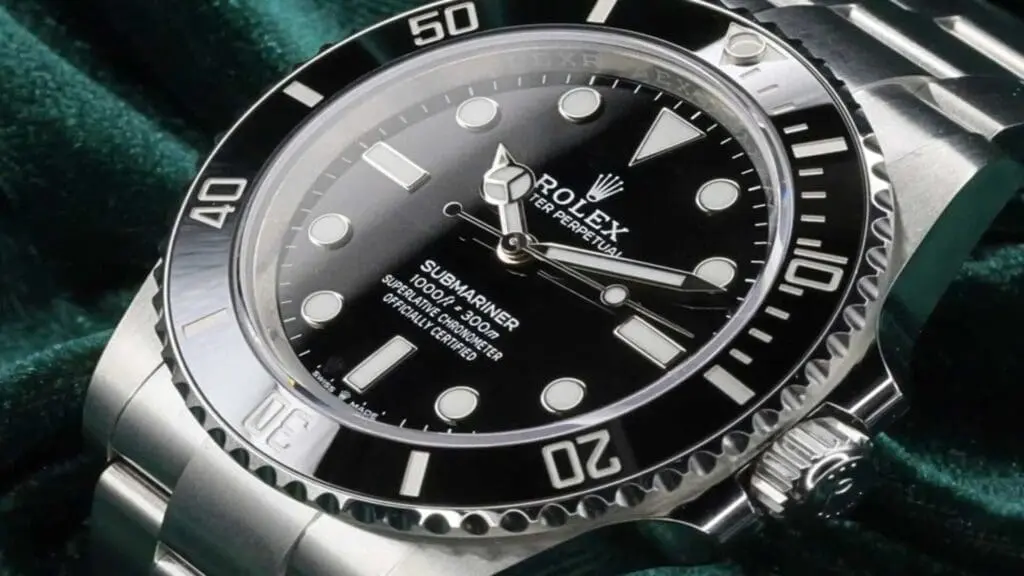
Some automatic watches may require additional work beyond standard servicing, which can increase the total cost. These extras depend on the watch’s condition, features, and brand, and understanding them helps you plan ahead.
Here are the common extra costs you might encounter:
- Replacement Parts: New mainspring, rotor, crown, or hands can add to the service fee. Luxury brands charge more for genuine or hard-to-source components.
- Case and Bracelet Polishing: Scratched or worn cases and bracelets may need polishing or refinishing, with coated or high-end finishes increasing labor and material costs.
- Water Resistance Retesting: Watches rated for water resistance often require gasket replacement and pressure testing, especially for diving models, which adds specialized labor.
- Complication Adjustments: Chronographs, calendars, or moon-phase features need fine-tuning after servicing, increasing labor and expertise costs.
- Previous Damage or Poor Repairs: Watches with past damage or improper repairs require extra work to restore functionality, raising both labor and parts costs.
Authorized Service Centers vs. Independent Watchmakers
Authorized service centers are official repair facilities approved by brands like Rolex, Omega, and TAG Heuer. They use genuine parts and follow brand-specific procedures so your watch meets factory standards.
Service costs at authorized centers are higher, with an Omega service typically $500 to $800 and a Rolex full service $800 to $1,200+.
Independent watchmakers service a wide range of watches outside of brand authorization, often at lower rates. They may use compatible aftermarket parts and have flexible labor costs, with standard services ranging from $200 to $500 for mid-range watches.
Turnaround times can be faster, but official brand warranties are usually not provided.
Comparing the two, authorized centers guarantee brand compliance, original parts, and warranty protection, ideal for high-end watches. Independent watchmakers offer cost-effective and flexible service, better suited for everyday watches or owners willing to use non-official parts.
The choice depends on balancing cost savings with brand integrity and long-term reliability.
Final Thoughts on Automatic Watch Service Cost
Taking care of your automatic watch is about more than just keeping time. It’s about looking out for something you value. You’ll want to stay on top of regular servicing, but don’t forget small precautions, like keeping it away from extreme temperatures, moisture, and magnetic fields between services.
If you notice unusual sounds, erratic timekeeping, or stiffness, get it checked sooner rather than later. Choosing between an authorized service center or an independent watchmaker is personal, so think about what matters most to you: original parts, warranty, or cost savings. Planning ahead keeps your watch running smoothly for years.
FAQ About Automatic Watch Service Cost
Why do automatic watch services cost more than quartz services?
Automatic watches contain mechanical movements with hundreds of moving parts that watchmakers must disassemble, clean, lubricate, and reassemble. Quartz watches use simpler electronic components, so servicing them takes less time and labor, making it more affordable than servicing an automatic movement.
How much does a full overhaul usually cost for an automatic watch?
Watchmakers charge $300 to $1,200+ for a full overhaul of an automatic watch, depending on brand, complexity, and parts availability. Luxury watches or models with complications cost more because they require extra time, skill, and specialized replacement parts to restore full performance.
Is a chronograph significantly more expensive to service?
Watchmakers spend more time on chronograph movements because they have extra gears, pushers, and functions that need precise adjustment. The additional labor and potential parts replacement make servicing a chronograph significantly more expensive than a standard automatic watch.
Can an independent watchmaker service my automatic watch safely?
Experienced independent watchmakers can service most automatic watches safely, including mid-range and some luxury models. They offer personalized attention and faster turnaround, but they may use compatible parts instead of originals, and official brand warranties usually do not apply.